
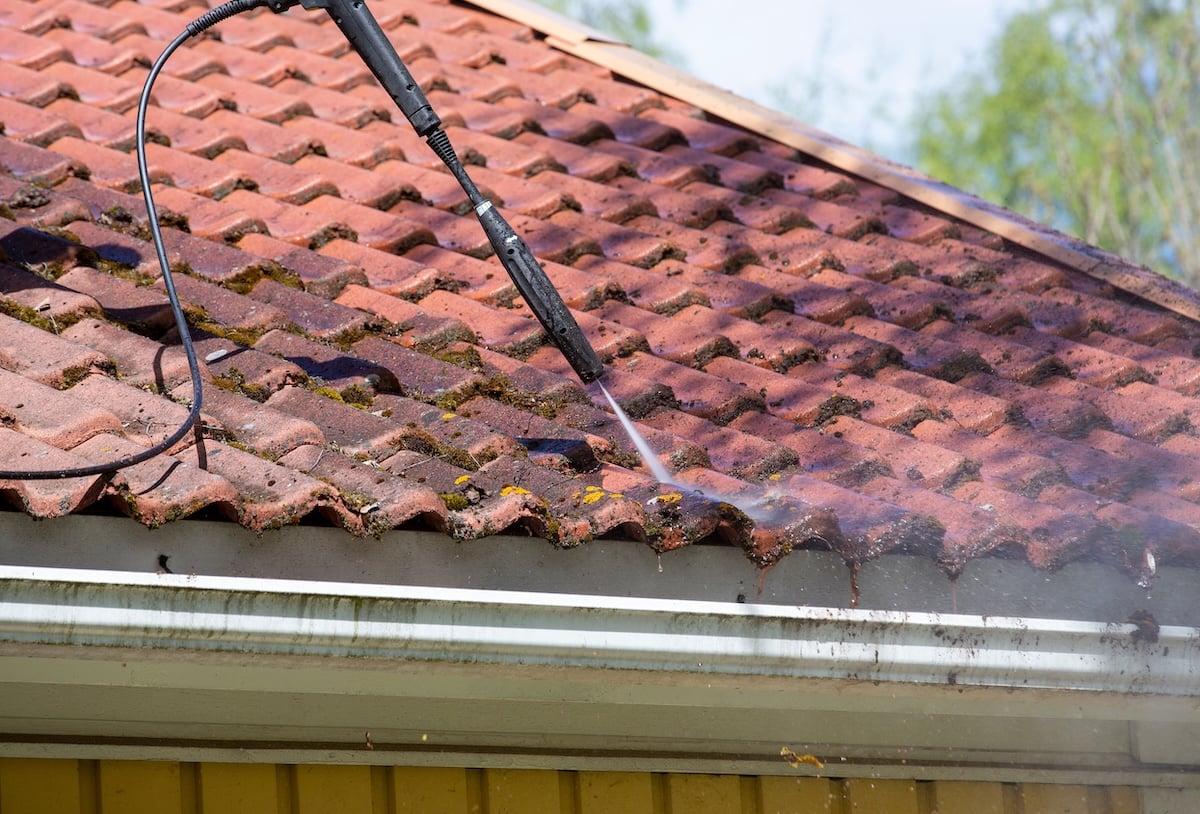
Roof Maintenance Checklist Before Winter Storms
Regular roof maintenance is one of the most effective ways to protect your Texas home from costly repairs during the colder months. As winter storms approach, checking your roof’s condition ensures it can withstand heavy rain, wind, and fluctuating temperatures. Even in regions like Lufkin and surrounding areas, where snow is rare, preparing your roof before the season changes is crucial for keeping your home safe and efficient.
- Prevents leaks: Addressing small issues early stops moisture from penetrating your roof during storms.
- Saves money: Preventive care costs far less than emergency repairs.
- Extends lifespan: Routine maintenance helps your roof last for decades.
Why Winter Roof Maintenance Matters in Texas
Texas winters are unpredictable. While some days are mild, others bring freezing rain, strong winds, and sudden temperature drops. These changes can cause roofing materials to contract, sealants to weaken, and flashing to separate—all of which lead to leaks.
Homeowners in Lufkin and surrounding areas face additional challenges due to seasonal humidity and debris buildup from nearby trees. Taking time to perform proper roof maintenance now prevents water intrusion, mold growth, and structural stress later in the season.
7 Steps to Prepare Your Roof for Winter
Getting your roof ready doesn’t have to be complicated. It simply means checking key components, making small repairs, and ensuring your roof can handle moisture and temperature swings.
Professional roof inspections are always recommended before winter storms hit. However, homeowners can also follow a maintenance checklist to identify potential problem areas between professional visits.
1. Inspect Shingles or Roofing Panels
Your roof’s outer layer is its first line of defense against rain and wind.
- Check for damage: Look for cracked, curled, or missing shingles. For metal roofs, inspect for loose seams or fasteners.
- Watch for discoloration: Dark patches or streaks can indicate algae growth or moisture issues.
- Replace early: Replacing a few damaged shingles now prevents larger repairs later.

2. Clean Gutters and Downspouts
Proper drainage is critical during Texas winter rains. Clogged gutters cause water to back up under shingles or overflow onto siding and foundations.
- Remove debris: Clear leaves, twigs, and dirt to keep water flowing freely.
- Check connections: Ensure downspouts are securely attached and direct water at least 5 feet away from the home.
- Consider guards: Gutter guards reduce future clogs, especially under large trees.
3. Examine Flashing and Sealants
Flashing is one of the most common sources of leaks when winter storms hit. It seals areas where the roof meets walls, chimneys, and vents.
- Inspect joints: Look for gaps or lifted edges around flashing.
- Check sealants: Replace cracked or deteriorated caulk with a high-quality roofing sealant.
- Reinforce weak areas: Pay special attention to valleys, skylights, and chimney bases, where water tends to collect.
4. Inspect Attic Ventilation and Insulation
Proper attic ventilation keeps your roof’s temperature stable, preventing condensation and moisture buildup. In Texas, balancing airflow helps your roof handle humidity and mild cold efficiently.
- Ensure airflow: Make sure soffit, ridge, and gable vents are clear of insulation and debris.
- Replace damaged insulation: Wet or compacted insulation loses its effectiveness and can trap moisture.
- Prevent mold: A well-ventilated attic discourages mold and extends the life of your roof decking.
5. Trim Overhanging Branches
Tree limbs hanging over your roof can cause major issues during winter storms. Strong winds can break branches, damaging shingles or clogging gutters.
- Cut back safely: Trim branches at least 6–8 feet away from your roofline.
- Reduce debris: Fewer overhanging limbs mean less leaf buildup and improved water drainage.
- Protect shingles: Prevent direct contact between branches and roofing materials to avoid abrasion.
6. Check for Leaks or Water Stains Indoors
A thorough roof maintenance checklist includes checking inside your home. Water stains or ceiling discoloration often reveal leaks that started small but spread unnoticed.
- Inspect ceilings and attic: Look for brown spots, peeling paint, or musty odors.
- Use a flashlight: Examine attic rafters and decking for moisture or mold.
- Act quickly: Even minor stains should be inspected by a professional roofer before winter rains intensify.
7. Schedule a Professional Roof Inspection
While DIY checks are valuable, professional inspections uncover issues homeowners might overlook. Roofers can spot hidden problems and repair them before they become emergencies.
- Detailed assessment: Professionals check flashing, decking, shingles, sealants, and ventilation systems.
- Documentation: You’ll receive a full report outlining the roof’s condition and recommended repairs.
- Peace of mind: A professional inspection ensures your roof is ready for whatever winter brings.

Maintenance Tasks Homeowners Can Do Themselves
Some tasks don’t require professional tools or experience, and doing them regularly saves money and reduces wear on your roof.
- Clear debris after storms: Remove branches or leaves that accumulate in roof valleys.
- Check fasteners and trim: Tighten any visible screws on metal roofs or accessories.
- Look for rust or corrosion: Address minor rust spots on flashing before they spread.
- Keep gutters clean: Maintaining proper drainage helps prevent leaks year-round.
However, any time you see cracked shingles, sagging areas, or multiple leaks, it’s best to call a professional for a full inspection.
Why Timing Matters
Performing roof maintenance before winter storms gives you the advantage of milder weather and available repair schedules. Waiting until storms hit can mean longer delays and higher costs due to emergency rates or water damage repairs.
Roofing materials also respond better to repairs in moderate temperatures, allowing sealants and adhesives to cure properly. By planning maintenance in late fall, homeowners in Lufkin and surrounding areas can enter winter with confidence.

The Cost of Neglecting Roof Maintenance
Skipping maintenance may save time in the short term but often leads to expensive consequences later. A neglected roof can develop leaks that damage insulation, drywall, and framing. The result is higher utility bills, compromised air quality, and reduced home value.
Preventive care not only extends roof life but also helps preserve your manufacturer warranty. Many warranties require proof of regular maintenance to remain valid—a key reason to keep inspection records.
Preventive Roof Maintenance Schedule
Texas homeowners benefit from maintaining their roofs twice a year—once in spring and again in fall. This schedule keeps your home protected year-round and prevents seasonal damage from escalating.
| Season | Maintenance Focus | Key Tasks |
| Spring | Post-storm recovery | Repair hail or wind damage, clean gutters, inspect shingles |
| Fall | Winter preparation | Reinforce flashing, clear debris, check insulation and ventilation |
| After Major Storms | Damage control | Schedule inspections for leaks, loose materials, or debris impact |
Prepare Your Roof Before Winter Arrives
Proactive roof maintenance before winter storms is one of the best ways to protect your home from water damage, leaks, and costly repairs. By inspecting your roof, cleaning gutters, and addressing small problems early, you’ll avoid bigger issues once the weather turns.
Homeowners in Lufkin and surrounding areas can trust M&M Roofing for thorough roof inspections, preventive maintenance, and reliable repairs. Our team ensures your roof is ready for any Texas winter. Contact M&M Roofing today to schedule your free estimate and give your home the protection it deserves this season.
