
What To Expect From Commercial Roof Installation (2026)
A professional commercial roof installation is one of the most significant investments a business owner can make to protect their property. Whether you’re constructing a new facility or replacing an aging roof, the installation process directly impacts your building’s efficiency, safety, and long-term value. Knowing what to expect helps you plan ahead, minimize downtime, and ensure your roofing system performs for decades to come.
- Professional preparation: Every project begins with careful inspection and planning.
- Quality materials: Modern roofing systems are designed for energy savings and durability.
- Expert installation: Proper technique ensures your roof withstands Texas weather conditions.
Why Proper Installation Is Critical
A roof’s performance depends as much on how it’s installed as on the materials themselves. In Center and surrounding areas, where heat, humidity, and storms can wear down roofs quickly, precision and expertise are essential. Poor installation leads to premature leaks, uneven seams, and insulation issues that shorten your roof’s lifespan and increase long-term costs.
By working with a trusted commercial roofing contractor, you can ensure your investment is protected from day one. A correctly installed roof provides consistent energy efficiency, reliable weather resistance, and lower maintenance needs over its lifespan.

5 Key Stages of Commercial Roof Installation
Understanding each stage of the process helps business owners anticipate timelines, manage logistics, and avoid unnecessary disruptions to daily operations.
1. Initial Consultation and Roof Assessment
Every successful commercial roof installation starts with a detailed consultation and inspection.
- Building evaluation: Contractors inspect the structure to identify drainage points, slopes, and potential problem areas.
- Material selection: Based on climate and building use, the team recommends systems like TPO, PVC, EPDM, or metal roofing.
- Budget and scheduling: A clear project plan is developed to align installation timing with your operational needs.
For property owners in Center and surrounding areas, this phase ensures the new roof is designed specifically for the region’s heat, humidity, and storm patterns.
2. Project Preparation and Safety Planning
Before any work begins, professional roofers set up the site to ensure efficiency and safety throughout the project.
- Permits and compliance: Contractors secure necessary permits and adhere to all local building codes.
- Site setup: Safety rails, warning lines, and material staging areas are established to protect workers and tenants.
- Weather monitoring: Teams schedule work around rain forecasts to avoid moisture exposure during installation.
This preparation phase minimizes risk, keeps the project on schedule, and ensures compliance with commercial safety standards.
3. Removing the Old Roof (If Applicable)
If your commercial roof installation involves replacing an existing system, tear-off is a critical step.
- Layer removal: Old membranes, fasteners, and insulation are safely removed and properly disposed of.
- Structural inspection: The underlying decking is checked for damage or rot before new materials are added.
- Surface preparation: Contractors clean and smooth the surface to ensure proper adhesion of the new system.
Tear-off adds time to the project but ensures that the new roof has a solid, clean foundation. In some cases, a recovery system (installing new layers over the old roof) may be recommended if conditions allow.
4. Installing Insulation and Vapor Barriers
The next step is adding insulation layers and protective vapor barriers, which improve energy efficiency and protect against moisture buildup.
- Energy performance: Proper insulation reduces temperature fluctuations and HVAC strain.
- Moisture control: Vapor barriers prevent condensation that could damage interior structures.
- Material compatibility: Contractors use insulation designed specifically for the chosen roofing system.
This step is especially important in Texas, where hot summers and humid conditions can cause condensation problems without proper ventilation and insulation design.

5. Membrane or Roofing System Installation
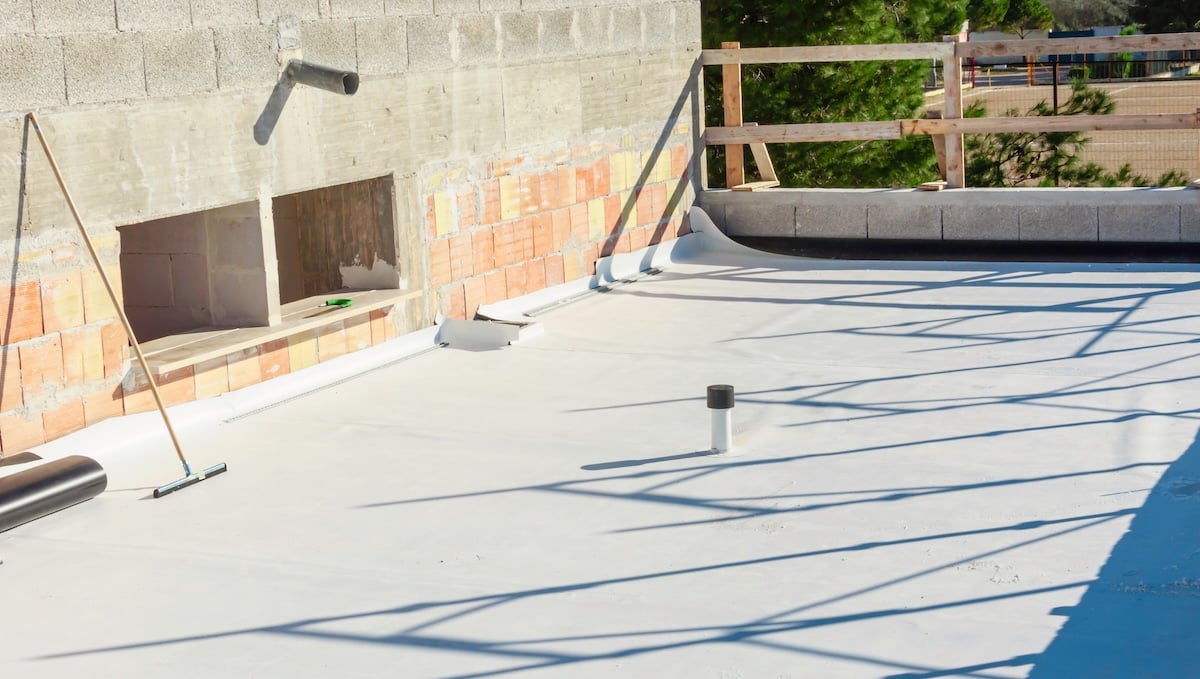
Once the surface is prepped and insulated, the roofing membrane or panels are installed. The method depends on the material type.
- TPO or PVC: Sheets are mechanically fastened and heat-welded at the seams for watertight protection.
- EPDM: Installed using adhesives or ballasted systems that secure the flexible rubber membrane.
- Metal roofing: Panels are fastened to the structure and sealed at joints for strength and longevity.
Professional installation teams ensure precise alignment and consistent sealing throughout the roof’s surface, protecting against leaks and energy loss.
What Affects the Timeline of Installation
Every commercial roof installation timeline varies based on factors such as weather, building size, and project complexity.
- Roof size and slope: Larger or multi-level roofs take longer to complete.
- Material type: Heat-welded systems like TPO and PVC require more setup time than adhesive systems.
- Weather delays: Rain, wind, or excessive heat can temporarily pause work.
- Accessibility: Rooftop layout and surrounding buildings may affect equipment setup and material delivery.
For most commercial buildings in Center, a full roof installation takes 1–3 weeks, though large facilities may require additional time for inspection and finishing work.
Common Challenges During Installation
Even with proper planning, commercial roof projects can face obstacles. Partnering with experienced contractors helps minimize these issues.
- Unexpected decking damage: Older structures may require minor repairs before the new roof is installed.
- Moisture intrusion: Weather shifts can expose materials to humidity if not carefully timed.
- Operational coordination: Active facilities may need off-hours work to minimize disruption.
Reliable communication and detailed scheduling help keep these challenges under control.
How to Prepare Your Business for Installation
Business owners can help streamline the process by preparing their facilities in advance.
- Notify staff and tenants: Communicate schedules, noise expectations, and restricted access areas.
- Protect sensitive equipment: Cover or temporarily relocate electronics and machinery beneath work areas.
- Coordinate logistics: Ensure rooftop access points are clear for workers and material deliveries.
- Plan for limited parking: Designate staging areas for dumpsters and supply trucks.
Simple preparation steps prevent disruptions and keep the project running smoothly from start to finish.
What Happens After Installation
Once the roof is installed, contractors conduct a detailed inspection to confirm the system’s performance and compliance with manufacturer standards.
- Final inspection: Technicians test seams, flashing, and drainage systems.
- Cleanup: All debris and equipment are removed, and the site is restored to its original condition.
- Warranty registration: Documentation is provided for manufacturer and workmanship warranties.
- Maintenance recommendations: The contractor outlines a plan for future inspections and upkeep.
This final walkthrough ensures your commercial roof is ready to perform immediately after completion.

Long-Term Benefits of Professional Installation
Proper commercial roof installation pays dividends for years to come.
- Extended lifespan: Professionally installed roofs last up to 30% longer than poorly installed systems.
- Improved efficiency: Seamless insulation and waterproofing lower heating and cooling costs.
- Fewer repairs: Correct installation prevents many of the issues that cause leaks or premature wear.
- Warranty protection: Following installation guidelines ensures manufacturer coverage remains valid.
For businesses in Center and surrounding areas, these benefits translate to reduced operational costs and long-term building protection.
Plan Ahead for a Stronger, Smarter Roof
A successful commercial roof installation is more than just a construction project—it’s an investment in your building’s performance, safety, and efficiency. From planning and material selection to final inspection, every stage matters.
M&M Roofing provides commercial roof installation services designed for the unique demands of Texas properties. Our team combines expert craftsmanship with industry-leading materials to ensure your new roof performs reliably for decades. Contact M&M Roofing today to schedule your free estimate and discover how we can help protect your business with a roof built to last.
