
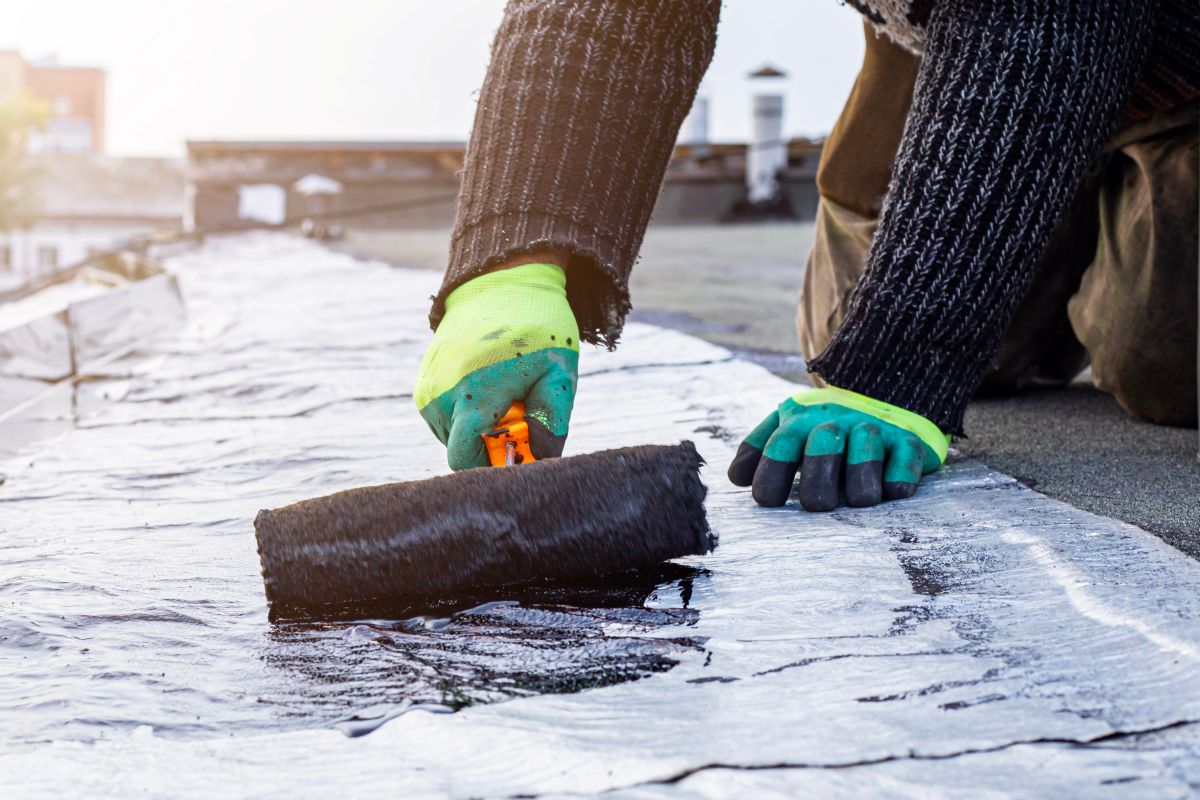
Modified Bitumen Roof Repair: 5 Signs You Need It
Scheduling modified bitumen roof repair at the first sign of trouble can save commercial property owners from costly structural damage and operational disruptions. While modified bitumen systems are known for their durability and layered protection, no commercial roof is immune to wear over time. Recognizing early warning signs helps extend your roof’s lifespan and protect your building investment.
- Prevents interior damage: Early repairs stop leaks before they impact insulation or equipment.
- Controls long-term costs: Addressing minor issues avoids major restoration expenses.
- Maintains performance: Timely service keeps waterproofing layers intact.

Why Modified Bitumen Roofs Require Ongoing Attention
Modified bitumen roofs are built with multiple layers of reinforced asphalt, making them stronger than many single-ply systems. However, exposure to Texas heat, heavy rain, and rooftop traffic can gradually weaken seams, flashing, and surface coatings.
In Marshall and surrounding areas, commercial buildings often experience intense summer temperatures and sudden storms. These conditions accelerate surface wear and make routine inspections essential. When small problems are addressed quickly, property owners can often avoid premature roof replacement.
5 Signs You Need Modified Bitumen Roof Repair
Identifying these five warning signs early allows commercial property owners to act before damage spreads to insulation or interior structures. Taking prompt action not only prevents costly interior repairs but also helps extend the overall lifespan of your modified bitumen roofing system.
1. Persistent Ponding Water
Flat commercial roofs must drain properly to maintain structural integrity. If water remains on the surface for more than 48 hours after rainfall, it may indicate drainage issues or sagging areas.
- Visible standing water: Pools that linger after storms.
- Membrane softening: Water weight can weaken surface layers over time.
- Structural stress: Excess load increases strain on decking and supports.
Prompt repair of drainage systems or low spots prevents accelerated deterioration.
2. Surface Cracks or Blistering
Over time, heat exposure and UV rays can cause the surface of modified bitumen to crack or blister. These imperfections may appear minor but can compromise waterproofing.
- Small surface splits: Indicate aging or thermal stress.
- Air or moisture bubbles: Suggest trapped moisture beneath layers.
- Granule loss: Exposed asphalt beneath protective coating.
Professional patching or resealing restores the integrity of affected areas before leaks develop.
3. Seam Separation
Seams are critical connection points in modified bitumen roofing systems. If seams begin to lift or separate, water can easily penetrate between layers.
- Raised edges: Visible gaps along overlapping sections.
- Adhesive breakdown: Aging bonding materials losing effectiveness.
- Moisture intrusion: Early signs of leaks near seam lines.
Seam reinforcement or resealing is one of the most common modified bitumen roof repair services and can prevent extensive damage.
4. Interior Water Stains or Leaks
Interior warning signs often indicate that roof damage has already progressed. Stains on ceilings or walls signal that moisture has penetrated the roofing system.
- Discolored ceiling tiles: Brown or yellow stains from water intrusion.
- Dripping during storms: Active leaks requiring immediate attention.
- Mold or odor development: Moisture trapped within insulation layers.
Addressing leaks quickly protects equipment, inventory, and electrical systems inside the building.
5. Damaged Flashing Around Roof Penetrations
HVAC units, vents, and drains require proper flashing to maintain a watertight seal. Over time, flashing materials may crack or loosen.
- Loose metal flashing: Gaps forming around equipment curbs.
- Sealant deterioration: Cracked or dried-out caulking.
- Corrosion or rust: Metal components weakened by moisture.
Repairing flashing promptly helps prevent recurring leaks around high-risk areas.

Common Repair Methods for Modified Bitumen Roofs
When damage is detected, commercial roofing professionals use several proven techniques to restore performance.
- Patching damaged sections: Applying reinforced material over cracked or blistered areas.
- Seam resealing: Rebonding or heat-welding separated seams.
- Drainage correction: Adjusting slope or clearing blockages to eliminate ponding.
- Flashing replacement: Installing new flashing to secure penetrations.
- Reflective coating application: Extending roof life and improving energy efficiency.
Most repairs can be completed quickly, minimizing disruption to business operations.
How Texas Weather Impacts Modified Bitumen Roofs
Texas climates present unique challenges for flat commercial roofing systems. High temperatures can soften asphalt layers, while heavy rainfall tests drainage capacity. Over time, repeated expansion and contraction place stress on seams and surface coatings.
Commercial properties in Marshall and surrounding areas benefit from proactive maintenance programs that address climate-related wear before structural damage occurs. Routine inspections twice per year—especially after major storms—are strongly recommended.
When Repairs May Not Be Enough
While modified bitumen roof repair can resolve many issues, there are situations where replacement becomes the more cost-effective option.
- Widespread membrane deterioration: Large sections showing cracks or brittleness.
- Repeated leak history: Frequent repairs in multiple areas.
- Aging beyond lifespan: Systems approaching 20–25 years may require replacement planning.
- Insulation saturation: Extensive moisture damage beneath the surface.
A professional inspection can determine whether targeted repairs or full replacement is the best course of action.

Preventive Maintenance Tips for Commercial Property Owners
Regular upkeep reduces emergency repairs and extends roof longevity.
- Inspect biannually: Spring and fall evaluations catch seasonal wear.
- Clear debris regularly: Leaves and dirt trap moisture.
- Monitor rooftop traffic: Limit access and use walkway pads.
- Document repairs: Maintain records for warranty and budgeting purposes.
- Schedule professional assessments: Early detection saves money long term.
Consistent maintenance often adds several years to the life of a modified bitumen system.
Protect Your Commercial Investment
Recognizing the signs that you need modified bitumen roof repair helps prevent costly structural damage and business interruption. From ponding water and seam separation to interior leaks and flashing failure, early intervention protects both your building and your bottom line.
Commercial property owners in Marshall and surrounding areas rely on M&M Roofing for expert modified bitumen repair, inspection, and maintenance services. Our experienced team understands the demands of flat commercial roofing systems and delivers dependable solutions tailored to Texas weather conditions. Contact M&M Roofing today for your free estimate and keep your commercial roof performing at its best year-round.
