
Roof Mold Removal After Summer Humidity (2025 Guide)
Roof mold removal is one of the most important maintenance steps Texas homeowners should take after a long, humid summer. When moisture, warmth, and organic debris mix, mold and algae can thrive on your roof’s surface. Left untreated, they can damage shingles, discolor the roof, and even affect your home’s indoor air quality.
- Home protection: Mold and algae weaken roofing materials and shorten roof lifespan.
- Health and safety: Removing mold reduces allergens and improves air quality inside your home.
- Curb appeal: Cleaning mold stains restores your roof’s appearance and prevents dark streaks from spreading.
Why Mold Growth Is Common After Texas Summers
Texas summers bring intense heat, followed by heavy rain and humidity—perfect conditions for mold growth. In Woodville and surrounding areas, high moisture levels linger well into early fall, especially in shaded or low-slope roof sections where air circulation is limited.
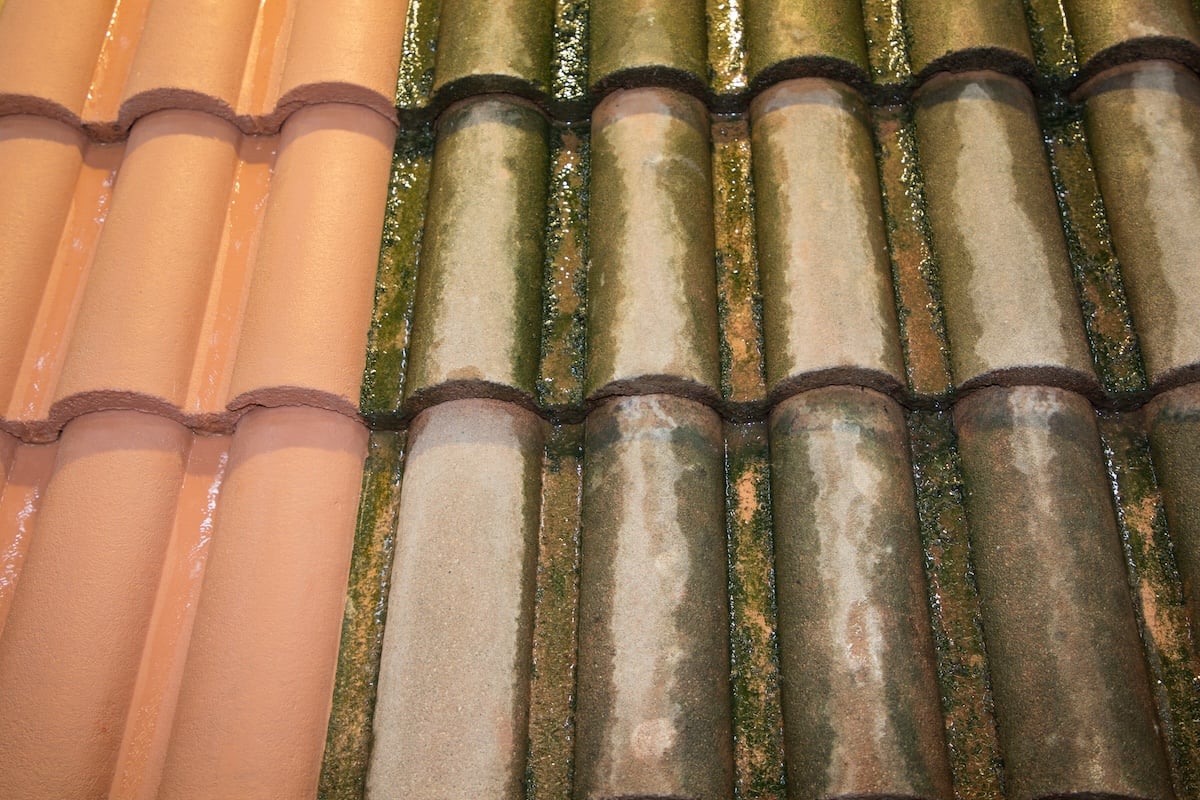
As leaves, pollen, and dust collect on the roof, they trap moisture that becomes a breeding ground for mold and algae. You might notice dark streaks, green patches, or even a fuzzy film across shingles. These stains aren’t just cosmetic—they indicate organic buildup that holds moisture against your roof and encourages decay.

The Dangers of Ignoring Roof Mold
While some homeowners dismiss mold as a minor issue, it can cause serious long-term damage.
- Shingle Deterioration: Mold and algae feed on the limestone filler in asphalt shingles. Over time, they weaken the granules that protect against UV rays and weather, leading to premature shingle aging.
- Roof Leaks and Rot: Trapped moisture under mold colonies can seep into the underlayment and decking, softening the wood beneath. Once mold reaches the structural layers of your roof, it can lead to leaks or costly rot repair.
- Indoor Air Quality Concerns: Although roof mold starts outside, spores can travel through attic vents or air conditioning systems. This can worsen allergies, trigger respiratory irritation, or create a musty odor indoors.
- Decreased Curb Appeal: Black or green streaks across your roof can make your entire home look older and poorly maintained. For homeowners considering selling, visible mold growth can discourage potential buyers.
How to Identify Roof Mold
Mold often appears as dark streaks or uneven discoloration across roof surfaces. However, it’s easy to confuse with dirt, soot, or algae. A few indicators can help you tell the difference.
- Color and texture: Mold is typically dark green, black, or brown and may appear fuzzy. Algae looks flat and streaky, while moss is thicker and raised.
- Location: Mold tends to grow on shaded roof areas or spots where debris collects, such as under tree branches or near gutters.
- Surface feel: If you touch it (wearing gloves), mold feels slimy or damp compared to dry dust or pollen.
If you’re unsure whether it’s mold, an inspection from a roofing professional can confirm the issue safely—without the risk of damaging shingles.
5 Steps to Effective Roof Mold Removal
Removing roof moss and mold takes care, precision, and the right products to ensure cleaning doesn’t harm the roof. Here’s the professional approach M&M Roofing recommends for homeowners in humid Texas climates.
- Inspection and Safety Preparation: A roofing specialist begins by evaluating the extent of mold growth and determining the safest cleaning method for your specific roof type. Safety gear, slip-resistant shoes, and proper ladders are essential for this step.
- Surface Cleaning: Debris like leaves and branches are removed to expose the full mold-affected area. Clearing this first ensures cleaning solutions reach every surface evenly.
- Application of Mold-Removing Solution: Professionals use eco-friendly, low-pressure cleaners designed specifically for roofs. These cleaning agents break down mold and algae without stripping shingle granules or harming plants below.
- Gentle Rinsing: Unlike harsh power washing, which can damage roofing materials, professionals rinse the roof gently to flush away mold residue and cleaning solution.
- Preventive Treatment: After cleaning, protective solutions are applied to discourage mold and algae from returning. These treatments help maintain your roof’s cleanliness for years—especially important in Texas’s humid environment.

Why DIY Roof Mold Removal Can Be Risky
While it’s tempting to tackle roof mold yourself, homeowners should approach DIY methods cautiously.
- Pressure washers can damage shingles: High-pressure water can strip away protective granules and void manufacturer warranties.
- Household bleach is harsh: Using too much can discolor shingles, corrode flashing, or harm landscaping.
- Slippery surfaces: Mold makes roofs slick, increasing the risk of falls or injury.
- Incomplete removal: Without treating the full area, mold spores can quickly regrow and spread.
Hiring a professional roofing company ensures mold removal is thorough, safe, and environmentally responsible.
How to Prevent Roof Mold After Cleaning
Keeping your roof clean after mold removal is just as important as removing it in the first place.
- Trim Overhanging Trees: Branches that shade your roof block sunlight and drop leaves that trap moisture. Trimming them back improves airflow and sunlight exposure, which helps prevent future mold growth.
- Clean Gutters Regularly: Clogged gutters allow water to back up under shingles and stay pooled near roof edges. Regular cleaning prevents moisture buildup that mold loves.
- Improve Roof Ventilation: Proper attic ventilation helps reduce humidity beneath the roof surface. Ridge and soffit vents allow warm, moist air to escape, keeping the attic drier.
- Apply Preventive Treatments: Mold-resistant coatings and copper or zinc strips can help deter mold growth on asphalt shingles. When rainwater flows over the metal, it creates an environment that discourages algae and mold formation.
- Schedule Annual Roof Inspections: Routine inspections by M&M Roofing help catch early mold growth or moisture issues before they become widespread. This proactive approach saves homeowners time, money, and frustration.
Costs of Roof Mold Removal in Texas
The cost of roof mold removal varies depending on roof size, slope, and the severity of the mold growth.
For most homes in Woodville and surrounding areas, professional cleaning ranges from $400 to $900. Larger or more complex roofs may cost more, especially if preventive treatments are added. However, compared to replacing mold-damaged shingles or decking, the investment is well worth it.
Professional mold removal also helps preserve your roof warranty, since improper DIY methods can void coverage. Always confirm that your roofing company uses gentle, approved cleaning techniques.
How Roof Mold Removal Benefits Your Home Long-Term
Beyond aesthetics, mold removal offers several lasting advantages:
- Extends roof lifespan: Reduces surface decay and protects granules.
- Boosts property value: Keeps your roof looking clean and well-maintained.
- Prevents leaks: Stops moisture buildup from compromising the underlayment.
- Improves home health: Reduces allergens and keeps air cleaner.
A clean, dry roof performs better year-round, even during Texas’s unpredictable weather cycles.

Protect Your Roof
Roof mold removal after summer humidity is one of the best ways to prepare your home for the cooler, wetter months ahead. By removing buildup, treating surfaces, and preventing regrowth, you’ll keep your roof strong, attractive, and mold-free.
Homeowners in Woodville and surrounding areas can rely on M&M Roofing for expert roof mold removal and maintenance services. Our team uses safe, proven methods to restore your roof’s appearance and performance while protecting your investment. Contact M&M Roofing today to schedule your free estimate and ensure your roof is ready for the season ahead.
