
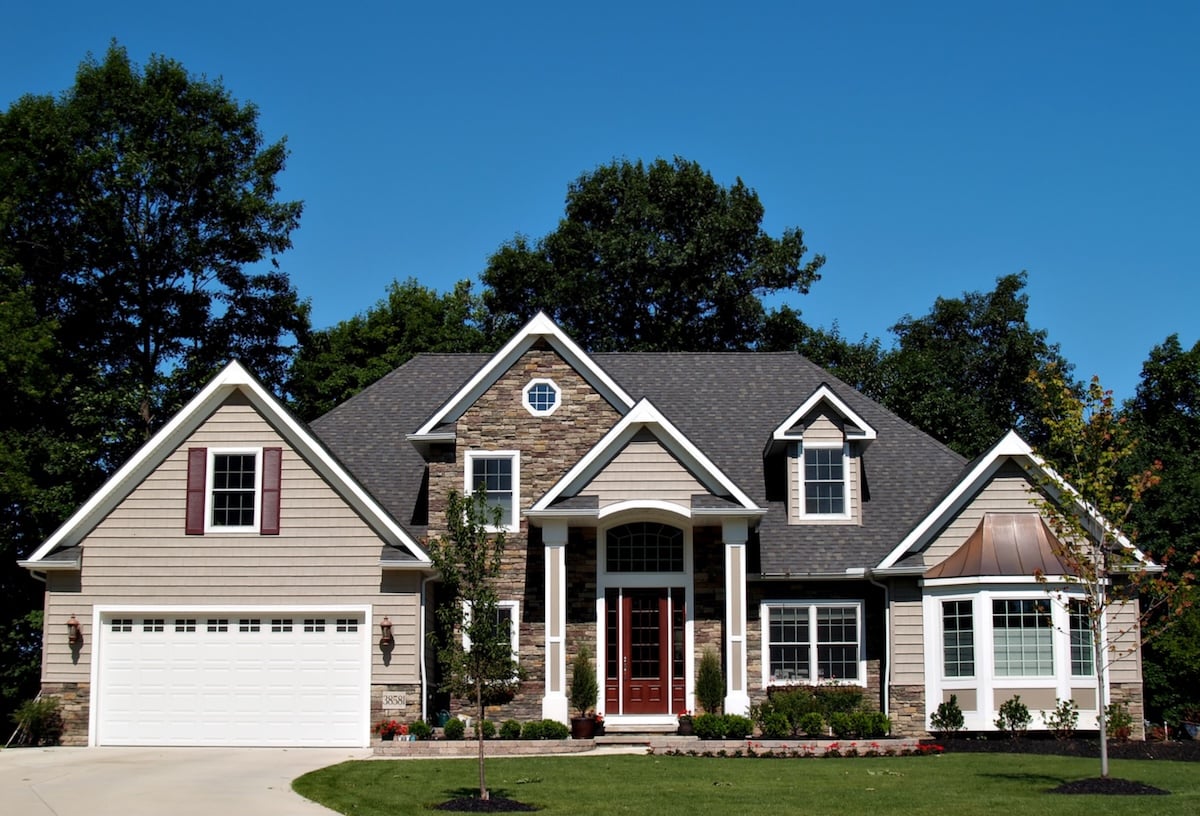
7 Roof Types: Flat, Gable, Hip & More Explained
When choosing the right design for your home, understanding different roof types helps you make an informed decision that balances style, performance, and cost. Eachroofing structure has its own advantages, from energy efficiency to wind resistance, and the right one can dramatically impact your home’s comfort and durability. For homeowners in Texas, roof type matters just as much as the materials used.
- Variety of designs: Roofs come in several shapes suited for different architectural styles and climates.
- Performance differences: Certain roof types handle wind, rain, and heat better than others.
- Maintenance and lifespan: Knowing what to expect helps you protect your investment.
Why Roof Design Matters for Texas Homes
Homeowners in Henderson and surrounding areas face unique weather challenges, including high humidity, occasional heavy rain, and intense heat. Roof design plays a major role in how well a home handles these conditions.
Roofs with steeper slopes tend to shed rainwater more effectively, while low-slope or flat designs can trap heat if not properly ventilated. The right choice depends on both your home’s structure and your long-term goals, whether you prioritize aesthetics, low maintenance, or energy efficiency.

7 Common Roof Types Explained
Each of these popular roof types offers distinct features that affect cost, maintenance, and weather performance.
1. Gable Roof
The gable roof is one of the most recognizable and cost-effective designs for Texas homes.
- Structure: Two sloping sides meet at a central ridge, forming a triangular shape.
- Advantages: Simple design, good drainage, and strong ventilation make it ideal for hot climates.
- Considerations: Can be vulnerable to wind uplift if not properly reinforced.
For homeowners in Henderson, gable roofs provide timeless appeal and effective rainwater management during storms.
2. Hip Roof
A hip roof slopes downward on all four sides, offering superior wind resistance and stability.
- Structure: All sides meet at a ridge or point, creating a pyramid-like appearance.
- Advantages: Excellent for windy regions due to its aerodynamic design.
- Considerations: Slightly more expensive to build because of added complexity.
Hip roofs are popular across East Texas for their balanced look and dependable performance in heavy rain and wind.
3. Flat Roof
While flat roofs are more common on commercial buildings, some modern Texas homes use them for sleek, minimalist designs.
- Structure: Low-slope surface that appears flat but includes a slight pitch for drainage.
- Advantages: Space-efficient, allowing for rooftop patios or solar panels.
- Considerations: Requires regular maintenance to prevent water pooling.
With proper waterproofing and drainage systems, flat roofs can perform well even in humid climates like Henderson and surrounding areas.

4. Shed Roof
A shed roof, also known as a skillion roof, uses a single sloping plane for a modern and efficient design.
- Structure: One continuous slope, often used on additions or contemporary homes.
- Advantages: Simple to build, cost-effective, and promotes good water runoff.
- Considerations: Can create uneven ceiling heights inside the home.
This style suits homeowners seeking modern architecture and effective rainwater management with minimal upkeep.
5. Gambrel Roof
Gambrel roofs are most recognizable on barns and colonial-style homes but are also used for residential properties that need extra attic space.
- Structure: Two slopes on each side—one steep, one shallow—creating a distinctive profile.
- Advantages: Adds interior storage or living space without increasing the home’s footprint.
- Considerations: Vulnerable to strong winds without proper reinforcement.
In areas like Henderson, gambrel roofs add character while offering practical attic ventilation and space.
6. Mansard Roof
Mansard roofs, inspired by French architecture, offer a stylish and functional design that maximizes usable upper levels.
- Structure: Four sides with two slopes per side; the lower slope is steeper than the upper.
- Advantages: Creates additional living space and enhances curb appeal.
- Considerations: More complex design means higher installation and maintenance costs.
Homeowners seeking elegance and extra square footage often choose mansard roofs for their versatility and charm.
7. Butterfly Roof
The butterfly roof stands out for its modern, eye-catching design and eco-friendly potential.
- Structure: Two slopes angled downward toward the center, forming a “V” shape.
- Advantages: Excellent for rainwater collection and solar panel installation.
- Considerations: Requires precise drainage design to prevent leaks at the center valley.
In Texas, butterfly roofs appeal to homeowners focused on sustainability and modern aesthetics, especially when paired with energy-efficient materials.
Choosing the Right Roof Type for Your Home
When selecting a roof type, homeowners should consider factors like climate, architecture, and maintenance preferences.
- Climate compatibility: Sloped roofs like gable and hip types are ideal for shedding rainwater and resisting strong winds.
- Aesthetic goals: Mansard and butterfly roofs offer unique visual appeal for custom homes.
- Budget and complexity: Simple designs like gable or shed roofs cost less to install and maintain.
- Energy efficiency: Roofs that allow for good ventilation and reflective materials perform best in Texas heat.
Consulting with a professional roofer ensures your chosen design matches your home’s structure and long-term needs.

How Roof Type Impacts Maintenance and Longevity
Each roof type comes with its own maintenance needs. Flat roofs, for instance, require frequent drainage inspections, while hip and gable roofs benefit from regular shingle checks and debris removal.
In Henderson and surrounding areas, seasonal maintenance should include:
- Gutter cleaning: To prevent clogs during heavy rain.
- Attic ventilation checks: Proper airflow reduces moisture and heat buildup.
- Surface inspections: Look for missing shingles, cracked flashing, or debris accumulation.
Proper maintenance helps extend any roof’s lifespan, typically 20–50 years, depending on material and design.
Best Roofing Materials for Each Roof Type
Choosing the right material can enhance the performance of your roof design.
- Gable or hip roofs: Asphalt shingles, metal, or tile for balanced cost and weather resistance.
- Flat roofs: TPO, PVC, or modified bitumen for superior waterproofing.
- Mansard or gambrel roofs: Architectural shingles or standing seam metal for added character and strength.
- Butterfly or shed roofs: Metal panels or reflective coatings for energy efficiency.
Pairing the right roof type with a compatible material ensures optimal protection and long-term value for your home.
Find the Right Roof for Your Texas Home
Understanding roof types helps homeowners choose a design that fits their style, budget, and climate needs. From the classic gable to the modern butterfly, each option offers unique benefits in durability, efficiency, and curb appeal.
Homeowners in Henderson and surrounding areas trust M&M Roofing for expert guidance, professional installation, and long-lasting roofing solutions. Whether you’re upgrading an existing roof or building new, M&M Roofing ensures your home stays protected and stylish for years to come. Contact M&M Roofing today to schedule your free estimate and find the perfect roof type for your home.
