
Is Spray Foam Roof Insulation Worth the Investment? (6 Tips)
Spray foam roof insulation is becoming an increasingly popular upgrade for homeowners looking to improve energy efficiency and indoor comfort. With Texas heat, humidity, and fluctuating seasonal temperatures, proper insulation plays a major role in how well your home performs year-round. Before deciding whether spray foam is worth the cost, it’s important to understand how it works, what it costs, and when it makes the most sense for your home.
- Energy savings: Proper insulation reduces heating and cooling costs throughout the year.
- Moisture control: Spray foam helps seal gaps that allow humidity into attic spaces.
- Long-term value: High-performance insulation can improve comfort and boost home resale appeal.

Why Insulation Matters for Texas Homes
In Henderson and surrounding areas, homeowners deal with long, hot summers and mild but occasionally damp winters. Heat naturally rises, which means your attic and roof area absorb a significant amount of thermal energy. Without proper insulation, that heat transfers into your living space, forcing your HVAC system to work harder and increasing utility bills.
Insulation also plays a key role in moisture management. High humidity levels common in East Texas can lead to condensation buildup in poorly insulated attics, which may contribute to mold growth or wood deterioration. Choosing the right insulation system helps control both temperature and moisture, protecting your roof and interior spaces.
What Is Spray Foam Roof Insulation?
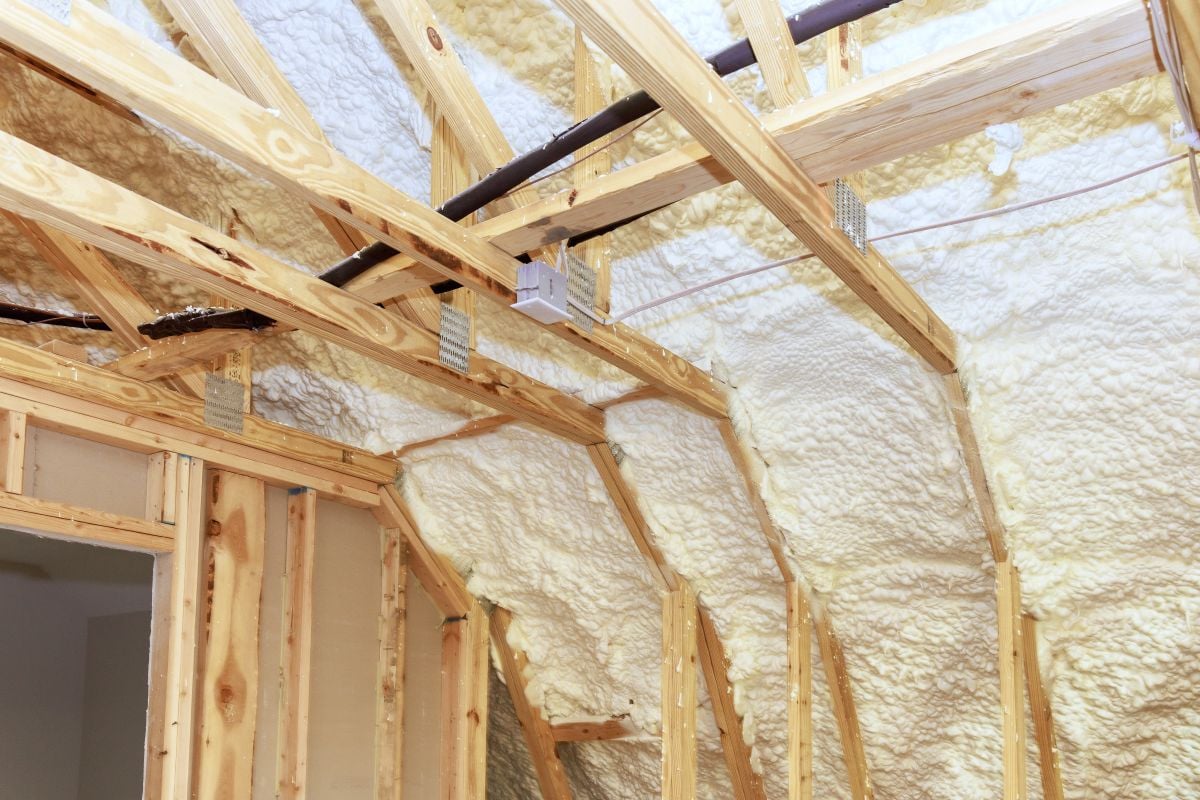
Spray foam insulation is a liquid material that expands into a dense foam when applied. It fills cracks, gaps, and hard-to-reach areas, creating an air-tight seal. Unlike traditional fiberglass batts or blown-in insulation, spray foam acts as both insulation and an air barrier.
There are two primary types used in residential roofing applications:
- Open-cell foam: Softer, lighter, and more affordable, offering strong air sealing properties.
- Closed-cell foam: Denser and more rigid, providing higher insulation value and added structural strength.
Both options help reduce air leakage, which is one of the biggest contributors to energy loss in Texas homes.
6 Tips to Decide If Spray Foam Roof Insulation Is Worth It
Investing in insulation is not a small decision, especially when upfront costs are higher than traditional materials. Before moving forward, homeowners should carefully evaluate performance expectations, long-term savings, and how spray foam will interact with their existing roof and attic structure. Considering these six important factors will help you determine whether spray foam is the right solution for your home.
1. Evaluate Your Current Energy Bills
If your energy bills are consistently high, poor insulation could be the culprit. Homes with outdated or compressed insulation often struggle to maintain stable indoor temperatures.
- Rising cooling costs: Excessive attic heat increases HVAC workload.
- Uneven room temperatures: Hot upstairs rooms often signal insulation gaps.
- Frequent HVAC cycling: Systems that run constantly may indicate air leakage.
Spray foam’s air-sealing capability can significantly reduce energy waste in these situations.
2. Assess Your Attic Ventilation
Spray foam insulation changes how your attic manages airflow. Traditional systems rely on vented attics, while spray foam often creates a conditioned, sealed attic space.
- Sealed environment: Foam blocks outside air infiltration.
- Reduced humidity: Limits condensation buildup during humid months.
- Improved comfort: Stabilizes attic temperatures year-round.
If your attic currently suffers from poor ventilation or moisture buildup, spray foam may offer a long-term solution.
3. Consider Upfront Cost vs. Long-Term Savings
Spray foam typically costs more than fiberglass or blown-in insulation. In 2026, homeowners can expect installation costs to range from $3 to $7 per square foot, depending on foam type and attic size.
- Higher initial investment: Installation requires professional equipment and expertise.
- Energy savings over time: Reduced monthly utility costs offset the upfront expense.
- Longevity: Spray foam can last 20 years or more without needing replacement.
For homeowners planning to stay in their home long-term, the return on investment can be substantial.

4. Think About Moisture and Mold Prevention
Humidity in Henderson and surrounding areas can create attic moisture problems if insulation is insufficient. Spray foam helps seal areas where humid air can enter.
- Air-tight seal: Reduces condensation on roof decking.
- Mold resistance: Closed-cell foam limits moisture absorption.
- Structural protection: Helps preserve rafters and sheathing from rot.
If your attic has experienced mold issues in the past, upgrading insulation may prevent recurring problems.
5. Determine If Structural Reinforcement Is Needed
Closed-cell spray foam adds rigidity to roof decking, which can provide minor structural reinforcement.
- Added strength: Dense foam bonds to decking for improved durability.
- Storm resilience: Extra support may help resist wind uplift.
- Lightweight design: Adds protection without excessive weight.
While it’s not a replacement for structural repairs, it can enhance overall roof stability when installed correctly.
6. Hire an Experienced Roofing Professional
Proper installation is essential to ensure spray foam performs as intended. Poor application can trap moisture or create uneven coverage.
- Professional assessment: Experts evaluate attic design and ventilation before installation.
- Even application: Ensures consistent insulation thickness and coverage.
- Warranty protection: Professional installation maintains manufacturer and contractor warranties.
Working with experienced contractors ensures your insulation upgrade delivers long-term results.
Advantages of Spray Foam Roof Insulation
When installed properly, spray foam provides several performance benefits that appeal to Texas homeowners.
- Superior air sealing: Eliminates drafts and improves indoor comfort.
- Lower utility costs: Reduces heating and cooling demand year-round.
- Extended roof life: Controlled attic temperatures minimize expansion and contraction of roofing materials.
- Reduced noise: Dense foam dampens outside noise during storms.
These advantages make spray foam a strong option for homeowners seeking maximum efficiency.
Potential Drawbacks to Consider
While spray foam offers impressive benefits, it may not be ideal for every home.
- Higher upfront cost: Installation is more expensive than traditional insulation.
- Professional-only installation: DIY installation is not recommended.
- Ventilation adjustments: Sealed attics require careful design to avoid trapped moisture.
- Removal difficulty: Once installed, foam is difficult to remove if roofing modifications are needed.
Understanding these factors helps homeowners make an informed decision based on their specific needs.
How Spray Foam Compares to Traditional Insulation
| Feature | Spray Foam | Fiberglass | Blown-In Insulation |
| Air Sealing | Excellent | Moderate | Moderate |
| Moisture Resistance | High | Low | Low |
| Lifespan | 20+ years | 10–15 years | 10–15 years |
| Upfront Cost | Higher | Lower | Lower |
| Energy Efficiency | Excellent | Good | Good |
Spray foam stands out for air sealing and moisture control, making it especially valuable in humid climates.
Is Spray Foam Roof Insulation Worth It?
For many homeowners in Henderson and surrounding areas, spray foam roof insulation is worth the investment when long-term comfort, efficiency, and moisture control are priorities. Although the upfront cost is higher, the potential energy savings and durability make it a smart choice for homes experiencing high utility bills or attic moisture issues.
Homes with older insulation, inconsistent indoor temperatures, or recurring mold concerns benefit most from upgrading to spray foam. However, every home is different, and a professional inspection is the best way to determine whether it fits your situation.

Upgrade Your Home’s Efficiency With Confidence
Spray foam roof insulation offers powerful advantages for Texas homeowners seeking improved comfort and lower energy costs. By sealing air leaks, controlling humidity, and stabilizing attic temperatures, it supports long-term roof and home performance.
Homeowners in Henderson and surrounding areas trust M&M Roofing for expert roofing and insulation solutions tailored to Texas conditions. Our experienced team can evaluate your attic, recommend the best approach, and ensure professional installation from start to finish. Contact M&M Roofing today to schedule your free estimate and discover whether spray foam roof insulation is the right investment for your home.
