
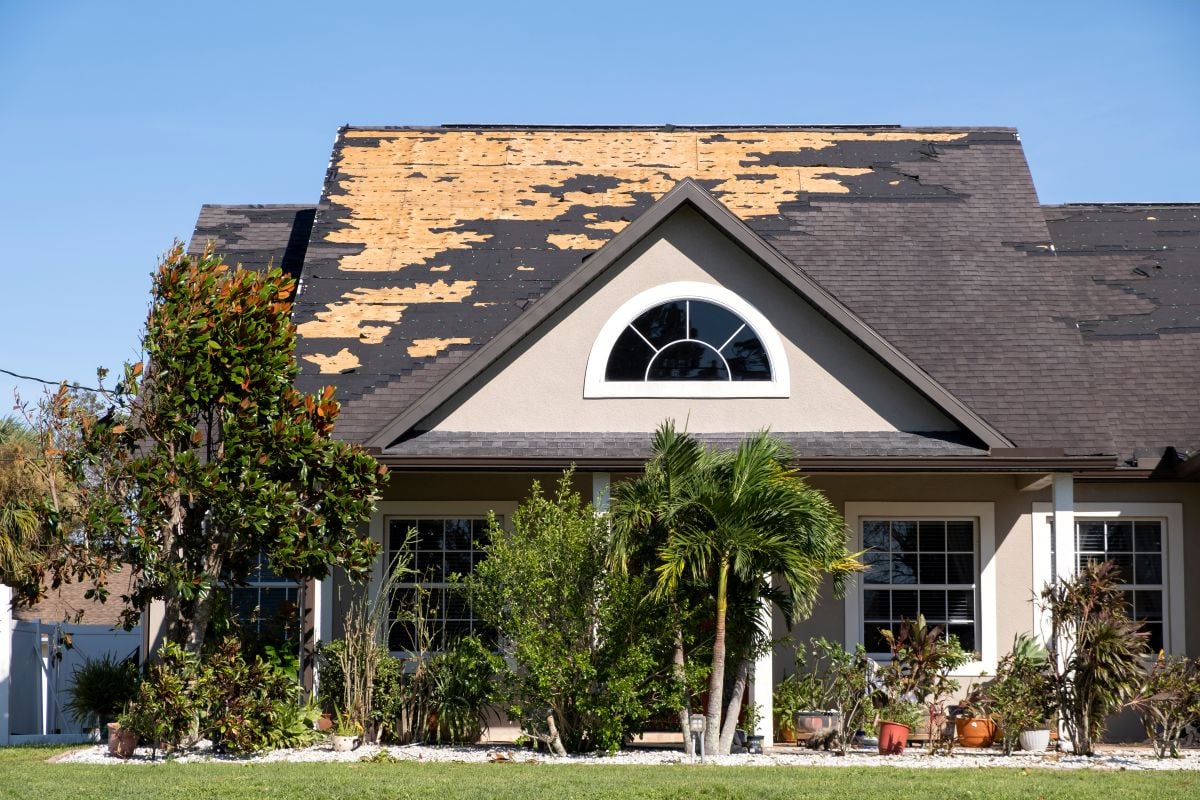
5 Steps to Filing a Storm Damage Insurance Claim the Right Way in 2026
Filing a storm damage insurance claim correctly is the single biggest factor in whether you receive a fair settlement after a hailstorm, hurricane, or windstorm rolls through your neighborhood. The 2026 claims environment is tougher than it was even three years ago. Carriers are scrutinizing claims more closely, payout timelines are longer, and small documentation errors that used to be overlooked are now grounds for partial denial. Knowing the right sequence of steps before you file can mean the difference between full coverage and a frustrating out-of-pocket bill.
Here is what you will learn in this guide:
- The 5-step claim filing sequence: A clear, ordered walkthrough from the moment the storm passes to the day you receive payment.
- Documentation that actually matters: Specific photos, records, and reports adjusters look for when evaluating roof and exterior storm damage.
- Common claim pitfalls to avoid: Mistakes homeowners make that delay payment, reduce settlements, or trigger outright denials.
Why Filing a Storm Damage Insurance Claim Correctly Matters in 2026
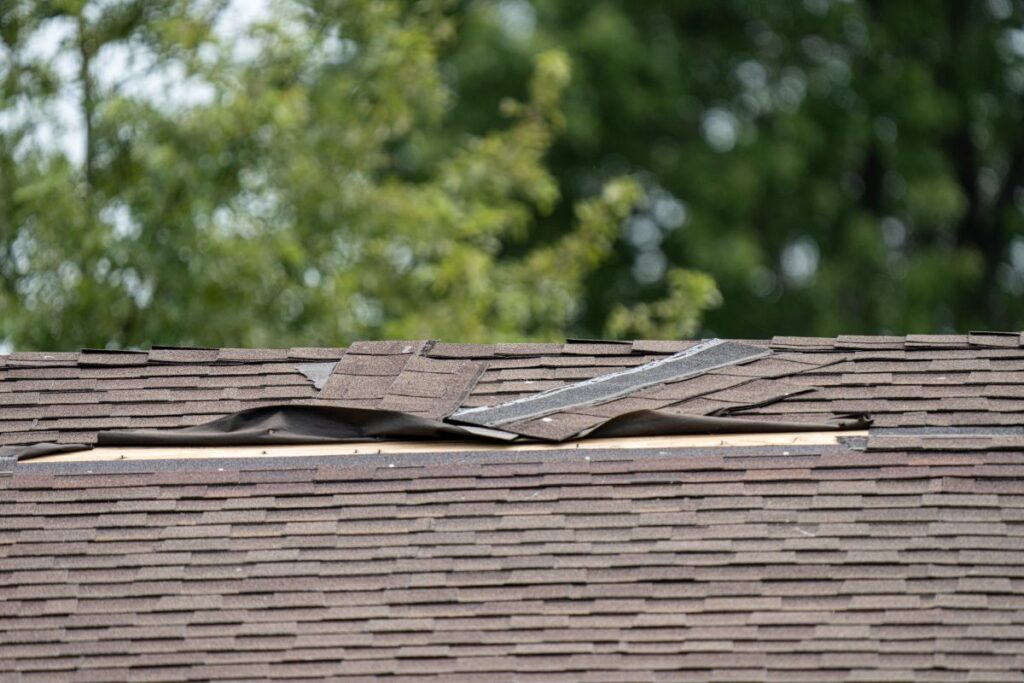
A storm damage insurance claim is your formal request for the insurance company to pay for repairs covered under your policy after a qualifying weather event, and how you file it determines what you actually receive. Insurers in 2026 are dealing with record losses, tighter reserves, and stricter internal review processes, which means homeowners need to be more prepared than ever before they pick up the phone.
How the 2026 Claims Landscape Has Changed
The 2026 insurance claims landscape is shaped by record-breaking weather losses and tightening underwriting standards across nearly every state. According to NOAA’s National Centers for Environmental Information, the United States experienced 27 separate billion-dollar weather and climate disasters in 2024, including 17 severe storm events, with total damages reaching $182.7 billion. That kind of sustained loss volume has pushed carriers to raise deductibles, impose stricter documentation requirements, and shorten the windows in which claims must be filed. Homeowners in Lufkin and surrounding areas have felt this shift directly, with many policies now carrying separate, higher deductibles for wind and hail than for general perils.
- Higher wind and hail deductibles: Many Texas policies now apply 1 to 5 percent of dwelling coverage instead of a flat dollar amount.
- Shorter filing windows: Some carriers require notice within 30 to 60 days of the storm event.
- Stricter proof requirements: Adjusters increasingly request dated photos, weather data, and independent inspection reports.
- More denials for wear-and-tear: Pre-existing damage is the most common reason for partial or full claim denial.
What Counts as Storm Damage Under a Typical Policy
Storm damage under a typical homeowners policy includes sudden, accidental damage caused by wind, hail, lightning, falling objects, and in some cases hurricane storm surge depending on the policy form. It does not include gradual wear, age-related deterioration, or pre-existing damage that was visible before the storm. Understanding the line between covered storm damage and excluded conditions is essential because it shapes how you describe the damage to your adjuster and what you should and should not point out during the inspection.
- Wind damage: Lifted, creased, or missing shingles and damage from fallen trees or limbs.
- Hail damage: Bruising or granule loss on shingles, dents on metal roofs, gutters, and flashing.
- Lightning strikes: Direct damage to roofing, electrical systems, and structural components.
- Common exclusions: Cosmetic-only damage, neglect, improper maintenance, and flooding without a separate flood policy.
5 Steps to Filing a Storm Damage Insurance Claim
The order of operations matters. Following these five steps in sequence keeps your claim moving and prevents the documentation gaps that lead to delays or reduced payouts.
1. How Do You Document Damage Immediately After a Storm?
Documenting storm damage starts the moment the weather clears and continues with detailed, dated photos and notes of every affected area before any repairs or cleanup begin. Take wide-angle shots that establish the property and tighter close-ups that show specific damage to shingles, gutters, siding, windows, screens, and outdoor structures. Record video walking around the perimeter while narrating what you see, since timestamped video is some of the strongest evidence an adjuster will accept. Save weather data for the storm date from a service like the National Weather Service, including peak wind speeds, hail size reports, and storm path, because that information ties your damage directly to a covered event.
- Wide-angle shots: Establish the property and show overall condition of each elevation.
- Close-up shots: Capture shingle bruises, hail dents, lifted flashing, and gutter dents.
- Dated video walkthrough: Narrate what you see and confirm the date verbally.
- Weather verification: Pull NWS or NOAA storm reports for the date, time, and location of the event.
2. When Should You File the Claim and How?
You should file your storm damage insurance claim within the window your policy specifies, which in most 2026 policies is 30 to 60 days from the date of loss, though sooner is always better. File by phone or through your carrier’s online portal and request a claim number in writing the same day. Provide the date and approximate time of the storm, a high-level description of the damage, and confirm the deductible that applies, since wind and hail deductibles in Texas are often higher than the standard policy deductible. Avoid speculating about cause or extent during this initial call: stick to facts you can document and let the adjuster’s inspection establish scope.
- Filing window: Typically 30 to 60 days from date of loss in 2026 policies.
- What to provide: Policy number, date and time of loss, brief damage description, and contact information.
- What to request: A written claim number, the assigned adjuster’s name, and the inspection date.
- What to avoid: Speculation about cause, dollar estimates without documentation, and admissions about prior repairs.
3. How Do You Get an Independent Roof Inspection?
An independent roof inspection is a documented assessment of storm damage performed by a licensed roofing contractor before the insurance adjuster arrives, ideally within a week of the storm. Most reputable contractors in Lufkin and surrounding areas perform these inspections at no cost and provide a written report with photos, measurements, and a line-item description of damage by elevation. Having this report in hand before the adjuster’s visit gives you an objective baseline, helps you ask the right questions during the inspection, and reduces the chance that legitimate damage gets overlooked. It also gives you something to compare the adjuster’s estimate against if numbers come back lower than expected.
- Timing: Schedule the inspection within 7 days of the storm when possible.
- What to ask for: Written report with photographs, damage descriptions, and elevation diagrams.
- Credentials to verify: General liability insurance, workers compensation, and local references.
- Red flag to avoid: Contractors who require a contract signed before the adjuster’s visit.
4. What Should You Expect During the Adjuster’s Inspection?
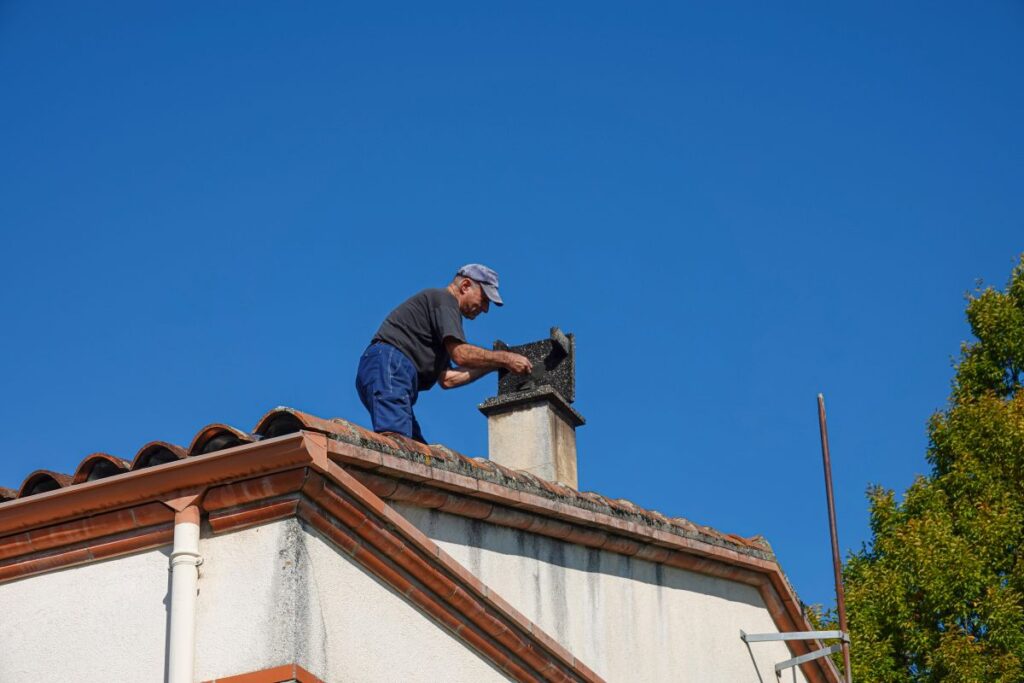
The adjuster’s inspection is the carrier’s own evaluation of your storm damage, typically lasting 30 minutes to 2 hours, and it is the most important meeting in the entire claims process. Be present for the inspection, walk the property with the adjuster, and bring your own documentation including dated photos, the independent inspection report, and the NWS storm data. Point out every area of damage you have documented and ask clarifying questions when the adjuster’s findings differ from yours. After the inspection, request a copy of the adjuster’s report and the line-item estimate in writing, and review it carefully against your independent inspection before agreeing to anything.
- What to bring: Your photo log, video walkthrough, contractor report, and weather verification.
- What to do: Walk the property with the adjuster and point out documented damage areas.
- What to request: A copy of the adjuster’s full report and itemized estimate in writing.
- What to verify: That the adjuster inspected every elevation, not just the most visible damage.
5. How Do You Review the Settlement and Respond?
Reviewing the settlement means comparing the adjuster’s line-item estimate to your independent inspection and identifying any items that were missed, undervalued, or improperly classified as cosmetic. Most homeowners insurance settlements come in two checks: an initial actual cash value (ACV) payment, followed by a recoverable depreciation payment after repairs are completed and documented. If the settlement appears low or omits documented damage, you have the right to request a re-inspection, submit supplemental documentation, or invoke the appraisal clause in your policy. Respond in writing, keep copies of every communication, and never cash a check labeled as “final payment” if you intend to dispute the amount.
- First check: Actual cash value, paid up front after the inspection.
- Second check: Recoverable depreciation, paid after repairs are completed and invoiced.
- Dispute options: Re-inspection request, supplemental claim, or appraisal clause invocation.
- Important caution: Do not cash a check labeled “final” if you plan to dispute any portion.
Common Mistakes That Delay or Reduce Storm Damage Claims
Even well-prepared homeowners run into trouble when they skip key steps or trust the process too much. The mistakes below are the ones that show up most often when claims get reduced or denied.
Why Delaying the Claim Hurts Your Chances
Delaying a storm damage claim past your policy’s notice window is one of the fastest ways to see it reduced or denied outright. Most 2026 policies require notice within 30 to 60 days, and even when the deadline is longer, time works against you because new weather events can muddy the record of what damage came from which storm. Insurers are also more skeptical of claims filed months after the event, since pre-existing wear and tear becomes harder to rule out. File promptly even if you are still gathering documentation, because the filing date locks in your event reference.
- Notice deadlines: Typically 30 to 60 days, sometimes shorter for named storms.
- Risk of waiting: Subsequent storms make damage attribution difficult.
- Tip: File first, document fully second, and supplement the claim as you gather more evidence.
- Consequence: Late notice is one of the most common reasons for partial denial.
Why Signing Contracts Before the Adjuster Visits Is Risky
Signing a repair contract before the adjuster’s inspection locks you into pricing and scope decisions that may not match what your insurance settlement covers. Reputable contractors are willing to provide a free inspection and written estimate without requiring a signed contract up front, and any contractor who pressures you to sign before the adjuster arrives is operating outside industry best practice. Some “assignment of benefits” agreements transfer your claim rights to the contractor entirely, which can leave you with limited recourse if the work is poor or the settlement is inadequate. Always read the contract carefully and consult your insurer or a local consumer protection office if anything is unclear.
- Avoid: Assignment of benefits agreements that transfer your claim rights.
- Read carefully: Cancellation clauses, “contingency” language, and any waivers of legal rights.
- Best practice: Get the adjuster’s report first, then sign a contract scoped to the approved settlement.
- Resource: Texas Department of Insurance publishes consumer guides on contractor agreements.
Why Cosmetic-Damage Exclusions Catch Homeowners Off Guard
Cosmetic-damage exclusions allow insurers to deny payment for hail dents on metal roofs, gutters, or vents when the damage does not affect functionality. These exclusions have become more common in 2026 policies, especially for metal roofing, and they catch homeowners off guard when an adjuster classifies clear hail dents as “cosmetic only.” Read your declarations page carefully before storm season to understand exactly what is and is not covered, and ask your agent about any cosmetic exclusion endorsements. If your policy has one, it does not mean structural hail damage is uncovered, but it does mean you should focus your claim documentation on functional impacts like granule loss, lifted shingles, and compromised flashing.
- Common cosmetic exclusions: Hail dents on metal roofs, gutters, garage doors, and HVAC fins.
- Still covered: Functional damage like leaks, lifted shingles, and compromised seals.
- Action item: Review your declarations page annually for cosmetic exclusion endorsements.
- Documentation tip: Photograph functional damage clearly so it is not lumped in with cosmetic findings.
Frequently Asked Questions About Storm Damage Insurance Claims

How long do I have to file a storm damage insurance claim?
Most 2026 homeowners policies require you to file within 30 to 60 days of the date of loss, though some named-storm provisions are shorter. Check your declarations page and any endorsements for the specific notice window that applies. When in doubt, file as soon as possible to lock in the event reference and avoid late-notice denials.
Will filing a claim raise my insurance premiums?
Filing a single weather-related claim may or may not affect your premium, depending on the carrier, your claim history, and state regulations. Repeated claims of any kind, including small ones, are more likely to result in non-renewal or rate increases. Some homeowners choose not to file when damage is below or near their deductible, but only after getting an independent inspection to confirm the actual scope.
What if my claim is denied or underpaid?
If your storm damage claim is denied or underpaid, you have several options including requesting a re-inspection, submitting a supplemental claim with new documentation, invoking your policy’s appraisal clause, or filing a complaint with the Texas Department of Insurance. Always respond in writing and keep copies of every communication. A licensed public adjuster or attorney can also review the denial if the disputed amount is significant.
Do I need to get multiple roofing estimates?
Most insurance carriers will accept one detailed estimate from a licensed contractor as long as it is itemized and matches industry pricing standards. Getting a second estimate is useful as a sanity check on scope and pricing, especially if the first contractor’s numbers seem unusually high or low. The adjuster’s own estimate functions as a third reference point.
What is the difference between ACV and replacement cost coverage?
Actual cash value (ACV) coverage pays the depreciated value of damaged property at the time of loss, while replacement cost value (RCV) coverage pays the full cost to replace it with new materials of like kind and quality. RCV policies typically pay in two installments: ACV up front and recoverable depreciation after repairs are completed and documented. Check your declarations page to confirm which coverage type applies to your roof.
Should I hire a public adjuster?
A public adjuster is a licensed professional who represents homeowners (not insurers) in claim negotiations and typically charges a percentage of the settlement, often 10 to 15 percent. They can be valuable on complex or disputed claims, especially after major catastrophic events, but on routine claims with clear documentation, the standard claims process is usually sufficient. Verify any public adjuster’s Texas license and references before signing an agreement.
Protecting Your Home Before the Next Storm
The strongest defense against a difficult claims process is a strong roof and exterior to begin with. A well-installed roof, properly fastened gutters, intact flashing, and current attic ventilation all reduce the likelihood and severity of storm damage in the first place, which means less reliance on the claims process and a stronger position if you do have to file. M&M Roofing serves homeowners in Lufkin and surrounding areas with durable, code-compliant roof installations and replacements built to weather East Texas storms year after year, backed by available warranties, financing options, and our commitment to building the strongest shell for your home.
If your roof has not been inspected since the last major storm season, contact M&M Roofing today for a free, no-obligation evaluation. A clear baseline now means stronger documentation later, and a roof you can trust when the next storm rolls through.
