
TPO vs EPDM: Comparison of Common Commercial Roof Materials
Choosing between TPO vs EPDM is one of the most common decisions business owners face when planning a commercial roofing project. Both materials are trusted, proven, and widely used across Texas. Understanding how they differ in cost, performance, and longevity helps property owners make the right choice for their building’s needs and budget.
- Material composition: TPO and EPDM are both single-ply membranes, but they perform differently under Texas conditions.
- Energy efficiency: Each material handles sunlight and heat in its own way.
- Maintenance and lifespan: Knowing how they age over time helps determine long-term value.
Why Single-Ply Roofing Is Popular for Texas Businesses
Commercial roofs in Livingston and surrounding areas must endure heat, humidity, and strong winds throughout the year. Single-ply membranes like TPO and EPDM are designed for these challenges. They are lightweight, durable, and easy to install, which keeps costs lower compared to built-up or metal systems.
Single-ply membranes also offer flexibility—literally. Their ability to expand and contract helps them resist cracking and splitting, even when temperatures fluctuate between hot days and cool nights. This makes them especially practical for large buildings such as warehouses, offices, and retail centers.
Overview of TPO and EPDM Roofing Systems
Before comparing performance factors, it’s helpful to understand what each material is made of and how it’s installed.

TPO Roofing (Thermoplastic Polyolefin)
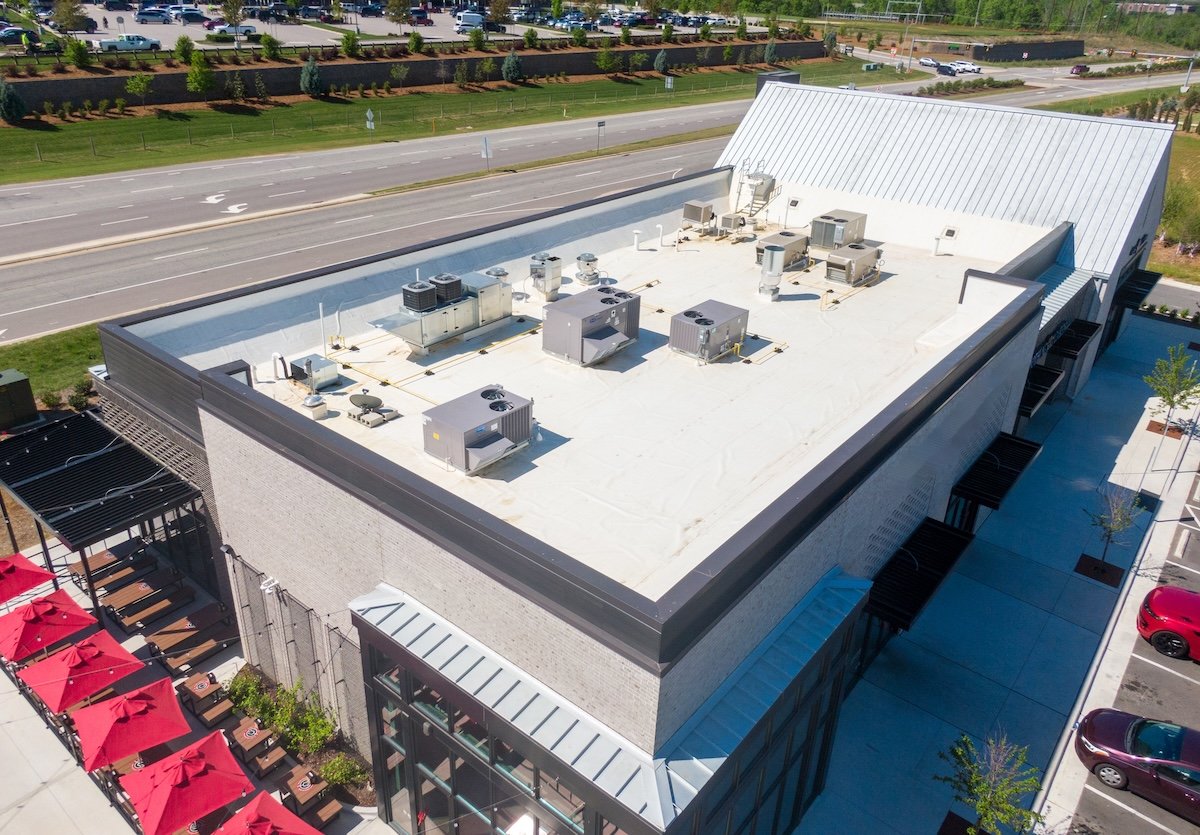
TPO is a white, reflective single-ply membrane made from polypropylene and ethylene-propylene rubber. It is heat-welded at the seams, creating a watertight bond that holds up under UV rays and high temperatures.
- Installation: Sheets are rolled out, fastened, and heat-sealed at the seams for maximum waterproofing.
- Energy efficiency: The bright white surface reflects sunlight, keeping buildings cooler in warm climates.
- Maintenance: Simple to clean and inspect, requiring little upkeep beyond routine checks.

EPDM Roofing (Ethylene Propylene Diene Monomer)
EPDM is a black rubber roofing membrane known for its durability and weather resistance. It has been used in commercial applications for over 40 years and remains popular for its flexibility and ease of repair.
- Installation: Typically installed with adhesive or ballasted systems, depending on roof design.
- Temperature tolerance: Excellent elasticity allows EPDM to expand and contract without damage.
- Maintenance: Requires occasional cleaning and resealing of seams or flashings.
Key Differences Between TPO and EPDM
While both roofing systems perform well in commercial settings, they have distinct differences in energy performance, maintenance, and lifespan. Below is a detailed breakdown of how they compare.
1. Durability and Weather Resistance
Both materials are strong, but they excel in different areas depending on local climate.
- TPO: Performs exceptionally well under intense sunlight and heat, resisting UV degradation over time.
- EPDM: Excels in colder environments, where flexibility and impact resistance are essential.
In Livingston and surrounding areas, where sunlight is intense and summers are long, TPO generally holds up better against long-term UV exposure.
2. Energy Efficiency
Energy efficiency is one of the biggest differences between TPO vs EPDM.
- TPO: White reflective surface reduces solar heat gain, lowering air conditioning costs.
- EPDM: The black membrane absorbs heat, which may be beneficial in cooler regions but less efficient in hot climates.
For Texas businesses, TPO often delivers superior energy savings thanks to its reflective properties. However, some EPDM systems now include reflective coatings that help offset this difference.
3. Installation Process
Installation methods impact cost, performance, and maintenance needs.
- TPO: Installed using mechanical fasteners or adhesives, with seams sealed by hot air welding for strong waterproofing.
- EPDM: Installed using adhesive or loose-laid systems with ballast, which can be easier to repair but may not resist strong winds as well.
TPO’s welded seams create a cleaner, watertight surface, while EPDM’s adhesive seams require more long-term maintenance.
4. Cost and Value
The cost of TPO vs EPDM varies slightly depending on roof size and complexity, but they are generally among the most affordable commercial roofing options.
- TPO: Slightly higher initial cost due to heat-welded seams, but lower maintenance costs over time.
- EPDM: Lower upfront cost, though long-term seam repairs can add expenses later.
Business owners in Livingston often find that TPO’s longevity and energy savings justify the small price difference upfront.
5. Lifespan and Maintenance
Longevity and maintenance needs are key factors in overall return on investment.
- TPO: Typically lasts 20–30 years with minimal maintenance. Periodic inspections and cleaning are sufficient.
- EPDM: Can last 25–30 years when properly maintained, though seams and flashings may require periodic resealing.
Both materials perform well when installed correctly, but TPO’s welded seams generally reduce leak potential over time.
6. Environmental Impact
Sustainability is becoming increasingly important for commercial property owners.
- TPO: 100% recyclable and often made with reflective, energy-saving materials.
- EPDM: Also recyclable, though less reflective and therefore less efficient in hot climates.
For environmentally conscious businesses, TPO tends to have the edge in Texas due to its energy-saving performance.
7. Roof Aesthetics and Customization
While appearance isn’t the top priority for commercial roofs, aesthetics can influence property value.
- TPO: Available in white, light gray, and tan, offering a clean and modern look.
- EPDM: Typically available in black, though white-coated versions are available at an extra cost.
For buildings visible from nearby roads or higher structures, TPO’s reflective color options may provide a more professional appearance.
Comparing TPO vs EPDM at a Glance
| Feature | TPO Roofing | EPDM Roofing |
| Color Options | White, light gray, tan | Black (white available with coating) |
| Energy Efficiency | Excellent in hot climates | Moderate (can improve with coating) |
| Lifespan | 20–30 years | 25–30 years |
| Installation | Heat-welded seams | Adhesive or ballasted |
| Maintenance | Low | Moderate |
| Cost | Slightly higher upfront | Slightly lower upfront |
| Best For | Hot, sunny climates | Cooler, variable climates |
In Texas’s warm, sunny conditions, TPO typically provides stronger energy savings and lower maintenance costs, making it a preferred choice for many business owners.
Why TPO Performs Best in the Texas Climate
TPO is the preferred choice for most commercial roofs in Texas thanks to its ability to handle extreme heat and sunlight. In Livingston and surrounding areas, long summers and high humidity can quickly wear down traditional materials. TPO’s reflective white surface reduces rooftop temperatures, improving energy efficiency and lowering cooling costs. Its heat-welded seams also resist leaks during heavy rainfall, while the UV-resistant membrane prevents cracking or fading under constant sun exposure. For business owners looking for durability and year-round performance, TPO is the clear winner in Texas conditions.
When EPDM Might Still Be the Better Option
Although TPO performs well in Texas, EPDM has advantages that make it a smart choice in certain situations.
- Budget-conscious projects: EPDM’s lower upfront cost can benefit property owners managing tight budgets.
- Older buildings: EPDM’s lighter weight and flexible installation options work well for older or structurally sensitive roofs.
- Temporary buildings: For properties that may be replaced or renovated in 10–15 years, EPDM’s lower cost may be more practical.
Understanding your building’s specific needs helps determine which material provides the best long-term return.

Professional Insight: Choosing the Right Roof
Every commercial property is unique. Factors like building design, insulation, energy goals, and budget should all guide your decision.
Professional roofing contractors can evaluate your structure, discuss your goals, and recommend whether TPO or EPDM best suits your property. A thorough inspection and consultation ensure your investment performs well for decades.
Maintenance Tips for Single-Ply Roofs
Both TPO and EPDM systems perform best with regular maintenance. These simple steps can extend their lifespan and prevent costly repairs.
- Schedule semiannual inspections: Check for punctures, seam separation, or pooling water.
- Clean the surface regularly: Dirt and debris can reduce reflectivity and trap moisture.
- Keep drainage systems clear: Blocked drains cause standing water that leads to leaks.
- Repair damage promptly: Small punctures or tears are easy to fix when addressed early.
- Work with professionals: Annual maintenance programs from roofing experts ensure consistent performance.

Choosing the Best Roofing Material for Your Business
When it comes to TPO vs EPDM, both materials are proven, reliable solutions for commercial buildings. The right choice depends on your property’s location, design, and energy goals.
For business owners in Livingston and surrounding areas, TPO often provides better energy efficiency and lower maintenance costs under Texas’s intense sun. EPDM, however, remains a dependable and cost-effective choice for many facilities.
M&M Roofing specializes in helping commercial property owners compare roofing options and choose the best system for their budget and climate. Contact M&M Roofing today for a professional evaluation and free estimate to find out whether TPO or EPDM is the best fit for your commercial property.
