
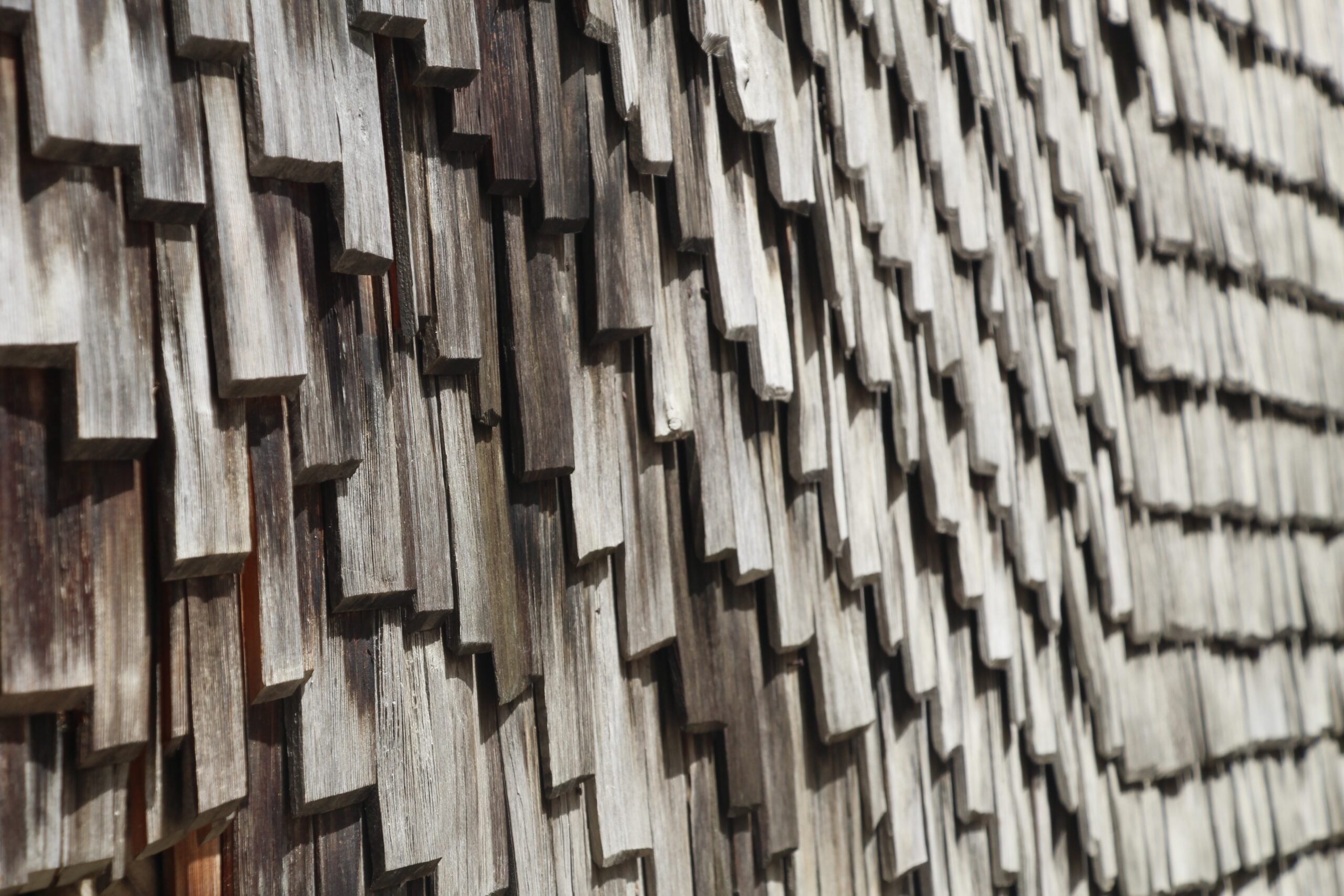
What Are The Disadvantages Of A Cedar Shake Roof?
What Are The Disadvantages Of A Cedar Shake Roof? Cedar shake roofs offer a natural and attractive appearance, but they are not always the best option for homeowners in East Texas. At M&M Roofing in East Texas, we help homeowners understand how these roofs perform over time and what challenges they may face in this climate.
The Appeal of Cedar Shake Roofing
Cedar shake roofs are popular for their rustic look and natural insulation properties. They can enhance curb appeal and give a home a distinctive style.
However, that visual appeal comes with added responsibility, especially in regions with demanding weather conditions.
High Maintenance Requirements
One of the biggest disadvantages of cedar shake roofs is the level of maintenance they require.
These roofs need:
- Regular inspections
- Routine cleaning to remove debris
- Treatments to prevent mold, mildew, and insect damage
Without consistent maintenance, cedar shakes can deteriorate quickly and lose their protective qualities.
Moisture and Humidity Risks
In East Texas, humidity plays a major role in roof performance.
Moisture exposure can lead to:
- Warping and curling
- Rot and decay
- Mold and mildew growth
Because cedar is a natural material, it absorbs moisture more easily than synthetic roofing options.
Heat and Sun Exposure
The intense heat and UV exposure in East Texas can accelerate the aging process of cedar shakes.
Over time, homeowners may notice:
- Cracking and splitting
- Fading and discoloration
- Drying and weakening of the wood
These issues reduce the roof’s ability to protect your home effectively.
Storm Vulnerability
Cedar shake roofs are more susceptible to storm damage compared to modern roofing materials.
Strong winds and debris can:
- Break or loosen shakes
- Create openings for water intrusion
- Cause uneven wear across the roof
In East Texas, frequent storms make this a significant concern.
Fire Risk and Insurance Considerations
Cedar shake roofs are more vulnerable to fire than materials like asphalt shingles or metal roofing.
This can result in:
- Higher insurance premiums
- Limited coverage options
- Additional requirements from insurance providers
Even treated cedar shakes may still present a higher level of risk.
Shorter Lifespan Without Proper Care
While cedar shake roofs can last with excellent maintenance, many do not reach their full lifespan.
Without proper upkeep, they may:
- Wear out faster
- Require frequent repairs
- Need replacement sooner
In East Texas conditions, inconsistent maintenance can shorten their lifespan even further.
Cost Versus Long-Term Value
Cedar shake roofs often come with higher upfront costs compared to other roofing materials.
When ongoing maintenance and repairs are considered, the total cost over time can increase significantly.
For many homeowners, this reduces the overall value of choosing cedar shakes.
Better Roofing Alternatives
At M&M Roofing in East Texas, we often recommend more durable options for this climate.
These include:
- Architectural shingles for balance and durability
- Metal roofing for long-term performance
- Composite materials that mimic wood appearance
These options provide strong protection with less maintenance.
Why Professional Guidance Matters
Choosing the right roofing system requires understanding how materials perform in your environment.
M&M Roofing in East Texas helps homeowners:
- Compare roofing materials
- Understand long-term maintenance needs
- Evaluate performance in East Texas conditions
- Make informed decisions
This ensures your roof provides lasting protection.
Final Thoughts
Cedar shake roofs offer a unique appearance, but they come with several disadvantages that homeowners should carefully consider. High maintenance, moisture risks, fire concerns, and faster wear in East Texas all impact long-term performance.
Making the right choice means focusing on durability, protection, and long-term value.
Read the FAQ: What Are The Disadvantages Of A Cedar Shake Roof?
Watch our video:

