
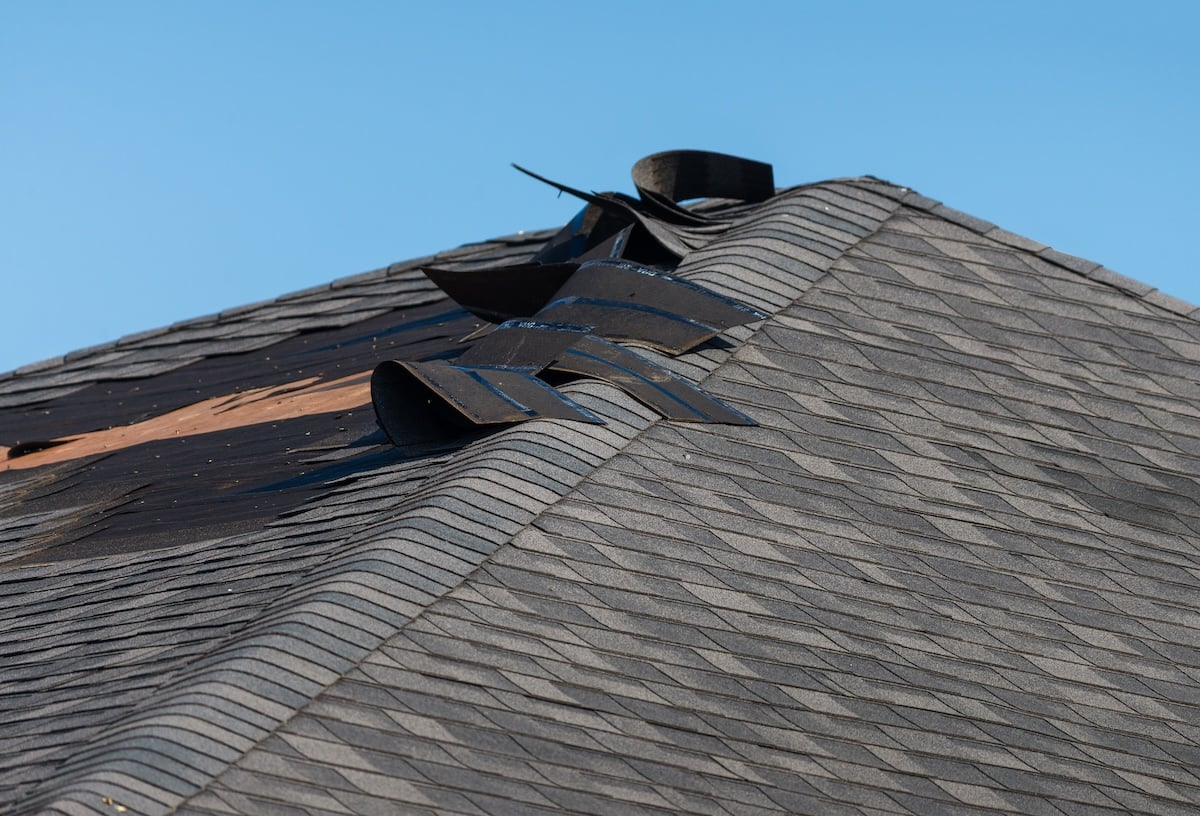
Storm Damage Roof Inspection After Heavy Winds
A storm damage roof inspection is essential after heavy winds sweep through your neighborhood. While Texas roofs are built to endure tough conditions, high winds can loosen shingles, bend flashing, or expose weak points that lead to leaks. Even damage that looks minor can worsen quickly if it’s not found and fixed early.
- Peace of mind: A professional inspection ensures your roof remains secure and watertight.
- Hidden damage detection: Not all roof problems are visible from the ground.
- Insurance support: Early documentation simplifies the claims process and avoids disputes.
Why Wind Inspections Are Crucial for Texas Homes
In Marshall and surrounding areas, storms often bring powerful wind gusts capable of tearing shingles or blowing debris onto rooftops. These winds can lift the edges of shingles, break seals, and cause moisture to enter beneath the surface. The tricky part is that the worst damage usually can’t be seen from the yard—it takes a trained eye and careful inspection to uncover it.
Even if your roof looks fine immediately after a storm, unseen damage can spread. A missing shingle today can turn into a water leak next month. That’s why scheduling a storm damage roof inspection as soon as the weather clears is the safest decision for Texas homeowners.

Signs Your Roof May Have Wind Damage
When winds exceed 40 to 50 mph, they can harm nearly any roofing material. After a storm, look for signs that your roof might have been affected.
- Missing or Lifted Shingles: Strong winds can lift or tear shingles completely off the roof. Exposed underlayment is a clear sign that repairs are needed before the next rain.
- Bent or Damaged Flashing: Flashing around chimneys, vents, and skylights can bend under pressure, creating openings for water. These areas are often the source of hidden leaks.
- Granule Loss: When shingles lose granules, they lose protection from UV rays and water intrusion. Check your gutters for excessive shingle granules following a storm.
- Debris and Gutter Clogs: Branches, leaves, and debris can block drainage pathways. Clogged gutters cause water to back up under the roof edge, leading to potential leaks.
- Ceiling or Attic Stains: If you notice new stains on your ceiling or damp insulation in the attic, it’s often a sign that wind-driven rain has found a way in.
The Importance of a Professional Storm Damage Roof Inspection
Some damage can be spotted from the ground, but only a professional can determine the true extent of storm impact. During an inspection, a roofer checks for both visible and hidden problems across every component of the roofing system—from shingles and flashing to decking and ventilation.
Professional inspections are especially valuable in Texas, where back-to-back storms can create compounding damage. By identifying small issues early, roofers can prevent structural problems that would otherwise require costly replacement down the road.
7 Steps Professionals Take During a Roof Inspection
Here’s what M&M Roofing’s experts typically do when inspecting homes in Marshall and surrounding areas after heavy winds.
- Safety Assessment: Inspectors begin by ensuring the roof is safe to access. They check for loose materials, debris, or hazards before climbing.
- Ground-Level Evaluation: From the ground, they photograph visible damage such as missing shingles, lifted flashing, or debris buildup.
- Surface Walk and Documentation: On the roof, they perform a detailed inspection, noting damaged areas, weak spots, or materials that may have shifted in the wind.
- Flashing and Vent Check: Flashing around chimneys, skylights, and vents is closely examined for separation or bending. Vents are checked to confirm proper airflow and sealing.
- Gutter and Drainage Review: Inspectors confirm that gutters and downspouts are free from blockages and are directing water away from the foundation.
- Attic and Interior Inspection: Inside, they look for leaks, stains, or damp insulation that indicate water intrusion from the storm.
- Comprehensive Report and Recommendations: Homeowners receive photos, a full inspection summary, and recommendations for repair or replacement, along with guidance for insurance claims if needed.

Common Roof Problems Caused by Heavy Winds
Wind damage doesn’t always mean missing shingles—it can cause a range of issues that weaken your roof over time.
Shingle Seal Failure
When wind lifts shingles, the adhesive seal between them can break. Even if the shingles lay flat again, the seal’s strength may be compromised, making future storms more damaging.
Nail Pull-Through
High winds can loosen or pull nails through the shingle material, creating subtle gaps where water can enter. These gaps often lead to leaks weeks or months after the initial storm.
Edge and Ridge Damage
The roof edges and ridge caps are under the most pressure during wind events. Damaged ridge caps can allow water to flow into the attic, while lifted edges create weak points along the perimeter.
Hidden Decking Damage
If water infiltrates beneath shingles, the wood decking below can soften and rot. Over time, this reduces structural strength and increases repair costs.
Repair vs. Replacement After Wind Damage
Whether you need minor repairs or a full roof replacement depends on several factors:
- Extent of damage: A few missing shingles can often be repaired, while widespread lifting or cracking may require replacement.
- Roof age: Older roofs nearing the end of their lifespan often benefit more from full replacement.
- Underlying structure: If decking or underlayment is compromised, replacement ensures long-term reliability.
Your roofing contractor will help you determine the most cost-effective solution based on your roof’s condition.
Working With Insurance After a Windstorm
Dealing with storm damage can be stressful, but professional roofing companies like M&M Roofing simplify the process. After a detailed inspection, your contractor will provide photos, measurements, and a full report to support your claim. They can also meet with the insurance adjuster on-site to verify the findings and ensure all necessary repairs are covered.
Prompt action is key. Most insurance policies require that claims be filed within a specific timeframe after a storm event. Scheduling a storm damage roof inspection right away helps protect both your home and your coverage.

Preventing Future Wind Damage
While no roof can be completely wind-proof, there are practical ways to minimize future damage:
- Upgrade materials: Choose high-wind-rated shingles or metal roofing for added strength.
- Reinforce edges: Stronger fasteners and sealed edges improve resistance to uplift.
- Maintain trees: Trim branches near your home to prevent impact damage.
- Regular inspections: Schedule professional roof checkups twice a year—especially after major storms.
Homeowners in Marshall and surrounding areas can also benefit from adding ridge vents or improving attic ventilation, which reduces wind pressure beneath the roof surface.
Fast Action After Texas Winds
After a spring storm brought gusts exceeding 50 mph, a homeowner in Marshall noticed a few shingles on the ground but no leaks. They called M&M Roofing for a storm damage roof inspection. Our team found several lifted shingles, bent flashing, and water intrusion along the roof edge—issues that weren’t visible from below. After quick repairs and resealing, the roof was restored, and future leaks were prevented before the next round of storms.
Protect Your Roof After Heavy Winds
A professional storm damage roof inspection gives you confidence that your home is safe and ready for the next Texas weather system. Catching small problems early prevents major repairs, preserves your roof’s lifespan, and helps streamline insurance claims.
Homeowners in Marshall and surrounding areas trust M&M Roofing for thorough inspections, expert repairs, and honest recommendations. If your home was hit by strong winds, don’t wait—contact M&M Roofing today to schedule your free evaluation and ensure your roof stays secure through every season.
