936-632-9002
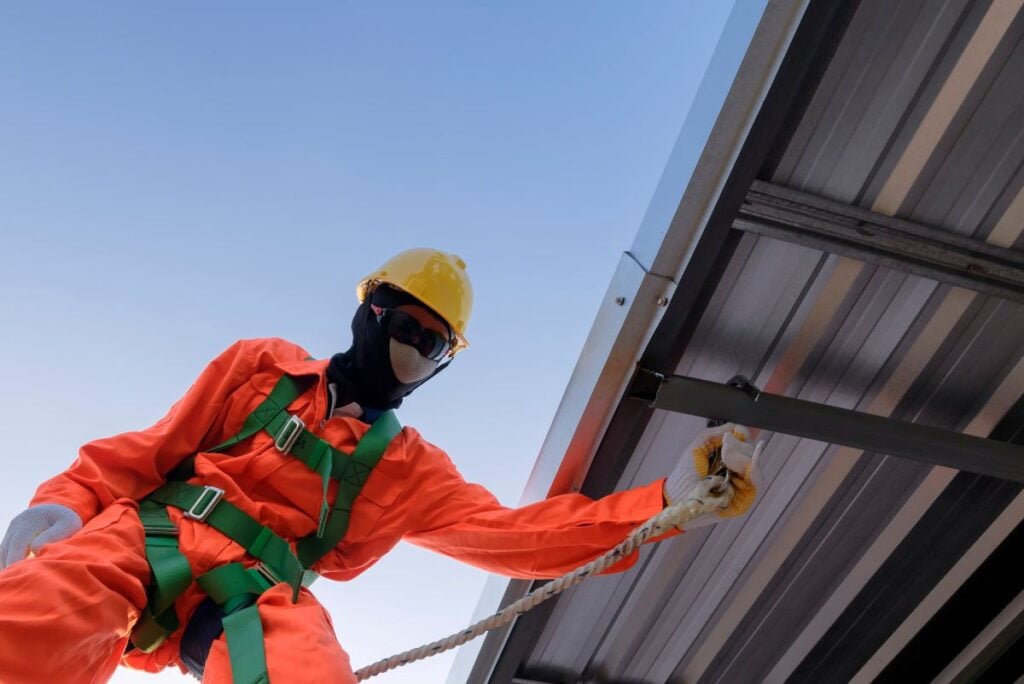
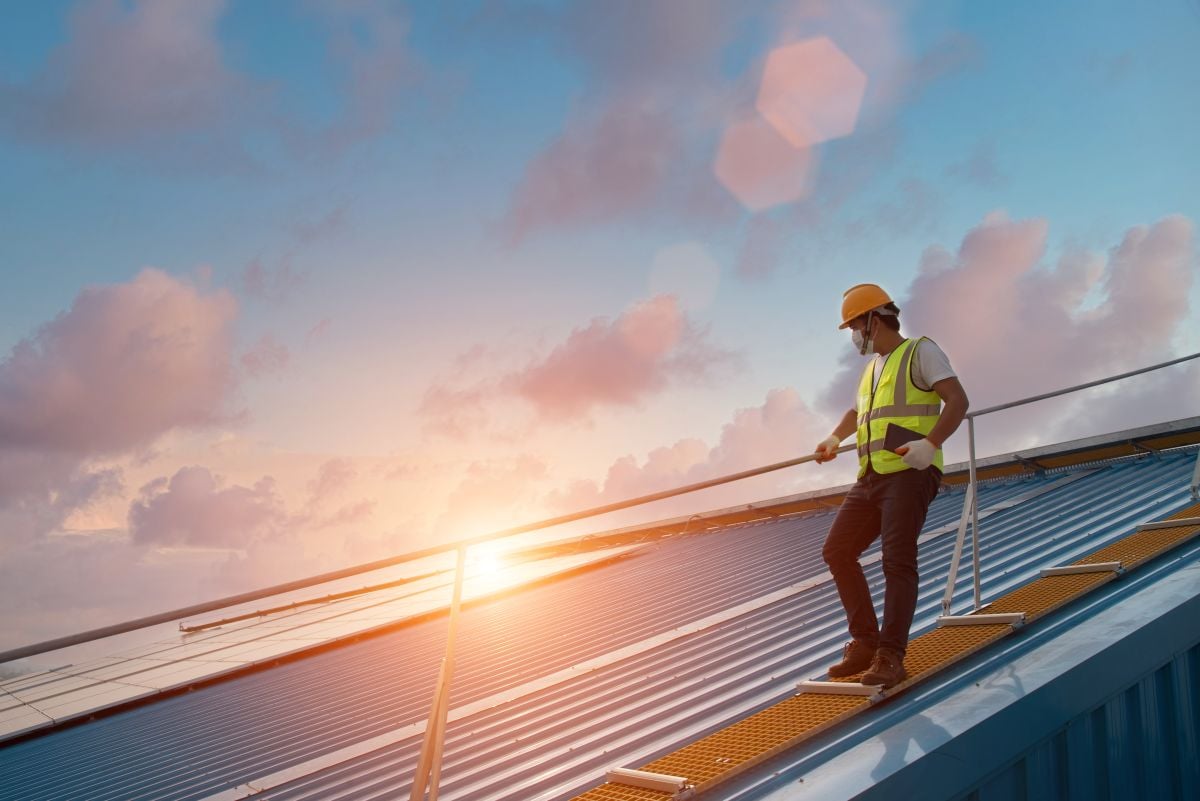
commercial roof maintenance worker on top of metallic roof

How Often Should You Do a Commercial Roof Maintenance?

Commercial roof maintenance is one of the most important investments a property owner can make to protect their building and control long-term expenses. A well-maintained roof extends system lifespan, prevents costly interior damage, and supports energy efficiency year-round. For commercial property owners, knowing how often maintenance should be performed helps prevent unexpected repairs and operational disruptions.

  • Prevents major repairs: Routine inspections catch small issues before they escalate.
  • Extends roof lifespan: Consistent upkeep can add years to your roofing system.
  • Protects business operations: A secure roof minimizes downtime and interior damage.

Why Commercial Roof Maintenance Matters

commercial roof maintenance metallic commercial roofing

Commercial roofs cover large areas and endure constant exposure to sun, rain, wind, and temperature changes. In Livingston and surrounding areas, heat and humidity can accelerate membrane wear, while seasonal storms may loosen seams and flashing.

Without regular commercial roof maintenance, small vulnerabilities such as clogged drains or minor seam separation can quickly develop into leaks. Proactive care reduces emergency repairs and keeps capital expenses predictable for property owners.

How Often Should You Schedule Commercial Roof Maintenance?

The frequency of maintenance depends on your roofing system, building type, and climate conditions. However, there are general guidelines every commercial property owner should follow.

Twice Per Year Minimum

Most roofing professionals recommend scheduling commercial roof maintenance at least twice per year, typically in spring and fall.

  • Spring inspections: Identify damage caused by winter moisture and temperature shifts.
  • Fall inspections: Prepare the roof for heavier rainfall and cooler weather.
  • Routine documentation: Maintain records to protect warranty coverage.

Biannual inspections are considered the standard baseline for commercial buildings.

After Major Storm Events

In Texas, sudden storms and high winds can impact roofing systems without obvious signs from the ground.

  • Wind damage checks: Look for lifted seams or flashing.
  • Drainage inspection: Ensure debris has not clogged scuppers or drains.
  • Surface evaluation: Identify punctures from fallen branches or debris.

Post-storm inspections prevent small issues from turning into long-term structural damage.

Older Roofs Require More Frequent Attention

As commercial roofs age, materials naturally lose flexibility and resistance.

  • 15+ years old: Consider increasing inspections to three times per year.
  • Visible wear: More frequent evaluations if cracks or blisters appear.
  • Warranty nearing expiration: Increased monitoring protects your investment.

Aging roofs benefit from closer oversight to extend usable lifespan.

What Is Included in Commercial Roof Maintenance?

A professional maintenance program goes beyond a quick visual check. Comprehensive evaluations address both visible and hidden concerns.

  • Membrane inspection: Checking for cracks, punctures, and seam separation.
  • Flashing review: Ensuring penetrations around HVAC units remain sealed.
  • Drainage assessment: Confirming water flows properly off the roof surface.
  • Moisture detection: Identifying trapped moisture beneath roofing layers.
  • Minor repairs: Sealing small issues immediately to prevent escalation.

This detailed approach helps property owners maintain predictable performance.

4 Signs You May Need Immediate Maintenance

Even between scheduled inspections, certain warning signs indicate maintenance should not be delayed.

  1. Ponding water lasting over 48 hours: Signals drainage issues.
  2. Interior ceiling stains: Suggest potential leaks.
  3. Rising energy costs: May indicate insulation or membrane issues.
  4. Loose flashing: Creates vulnerability during heavy rainfall.

Addressing these concerns quickly protects building interiors and equipment.

Benefits of a Preventive Maintenance Plan

Rather than reacting to problems as they arise, many commercial property owners enroll in structured maintenance programs.

  • Lower long-term costs: Preventive care reduces expensive emergency repairs.
  • Extended roof lifespan: Routine upkeep can add 5–10 years of service life.
  • Improved energy efficiency: Maintaining insulation and reflectivity lowers HVAC strain.
  • Warranty compliance: Many manufacturers require documented inspections.
  • Budget predictability: Scheduled maintenance simplifies financial planning.

In Livingston and surrounding areas, preventive programs are especially valuable due to seasonal weather patterns.

Maintenance Frequency by Roofing System

Different commercial roofing systems may require slight variations in inspection frequency.

  • TPO and PVC: Inspect seams and reflective surfaces twice per year.
  • EPDM: Monitor adhesive seams and flashing regularly.
  • Modified bitumen: Check layered surfaces and granule wear.
  • Metal roofing: Inspect fasteners and panel alignment annually.

While twice-yearly inspections are standard, system-specific evaluations ensure optimal performance.

How to Clean Different Types of Commercial Roofing Systems

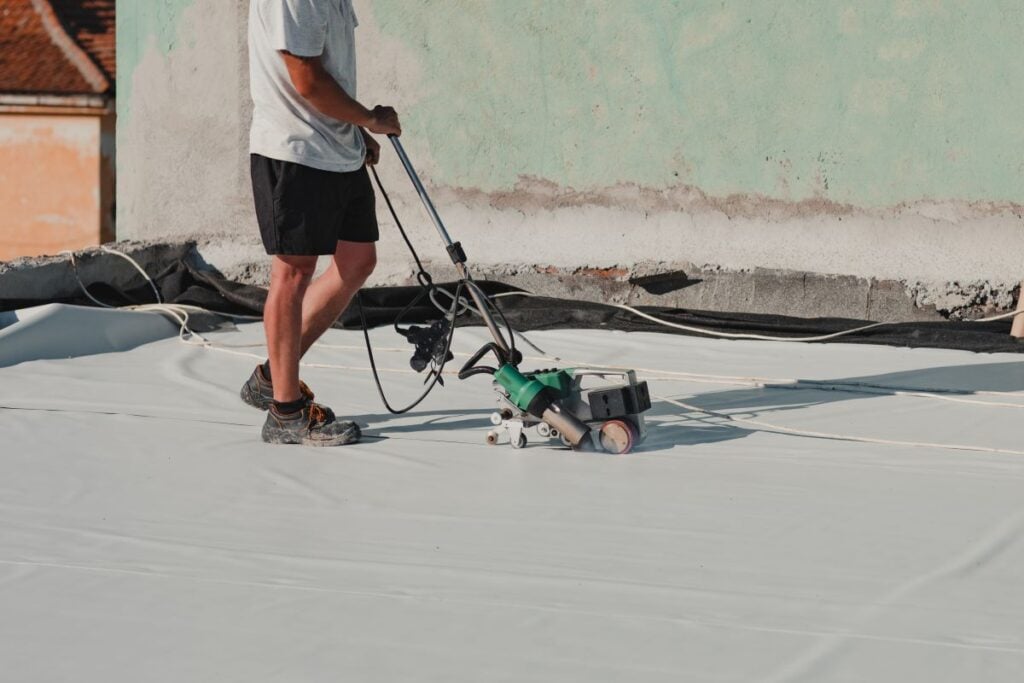
commercial roof maintenance tpo roofing installation technician sealing floor with heater machine on top of commercial building

Cleaning is an important part of commercial roof maintenance, but not all roofing systems should be treated the same way. Using the wrong cleaning method can damage membranes, void warranties, or reduce lifespan. Commercial property owners should understand the proper approach for each roof type to maintain performance and appearance.

TPO and PVC Roofing

Thermoplastic membranes require gentle cleaning to preserve reflectivity and seam integrity.

  • Use low-pressure washing: High pressure can damage heat-welded seams.
  • Mild detergent only: Avoid harsh chemicals that degrade membrane surfaces.
  • Soft-bristle tools: Prevent surface scratching that reduces reflectivity.

Regular cleaning maintains energy efficiency by keeping reflective surfaces free from dirt buildup.

EPDM Roofing

EPDM rubber membranes require careful cleaning to avoid seam stress or surface damage.

  • Avoid petroleum-based cleaners: These can break down rubber material.
  • Use manufacturer-approved solutions: Protect seam tape and adhesives.
  • Inspect seams during cleaning: Look for separation or lifting.

Cleaning EPDM should always be combined with a visual inspection for early signs of wear.

Modified Bitumen Roofing

Granulated modified bitumen surfaces require a different approach due to their layered design.

  • Gentle debris removal: Use soft brooms to prevent granule loss.
  • Avoid power washing: High pressure can strip protective layers.
  • Clear drainage areas: Keep scuppers and drains free of buildup.

Maintaining the granulated surface protects waterproofing layers beneath.

Metal Roofing

Metal roofs are durable but still require proper care to prevent corrosion.

  • Rinse with clean water: Remove dirt and pollutants that can cause oxidation.
  • Inspect fasteners and seams: Cleaning is an ideal time to check for loose hardware.
  • Avoid abrasive tools: Prevent scratching protective coatings.

Routine cleaning helps extend coating life and preserve long-term performance.

The Cost of Skipping Maintenance

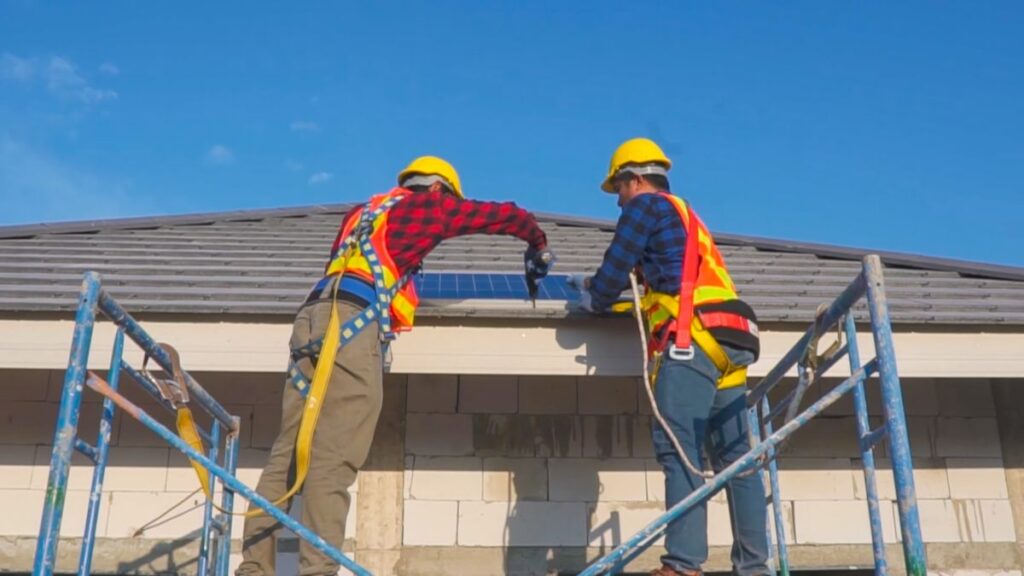
commercial roof maintenance two workers standing on platform

Delaying commercial roof maintenance often leads to far higher expenses later.

  • Interior damage: Water infiltration can impact insulation and electrical systems.
  • Premature replacement: Neglect shortens overall lifespan.
  • Operational disruption: Leaks may interrupt daily business activity.
  • Insurance complications: Lack of documented care can affect claims.

For commercial property owners, preventive maintenance is significantly less expensive than reactive repairs.

When to Schedule Your Next Inspection

The best time to schedule maintenance is before visible problems appear. Spring and fall provide ideal inspection windows in Texas, allowing property owners to prepare for seasonal weather shifts.

Businesses in Livingston and surrounding areas should also consider scheduling evaluations after heavy wind or rain events. Even minor storm exposure can loosen seams or damage flashing without immediate signs.

Protect Your Commercial Investment

Commercial roof maintenance is not optional—it is essential for protecting your property, tenants, and long-term financial stability. By scheduling inspections at least twice per year and after major storms, property owners can avoid costly repairs and extend the life of their roofing system.

Commercial property owners in Livingston and surrounding areas trust M&M Roofing for professional maintenance, inspection, and repair services tailored to Texas conditions. Our experienced team helps you stay ahead of problems with proactive care and expert recommendations. Contact M&M Roofing today for your free evaluation and keep your commercial roof performing at its best year-round.

roofing project in Lufkin

Let’s Get Your Project Rolling!